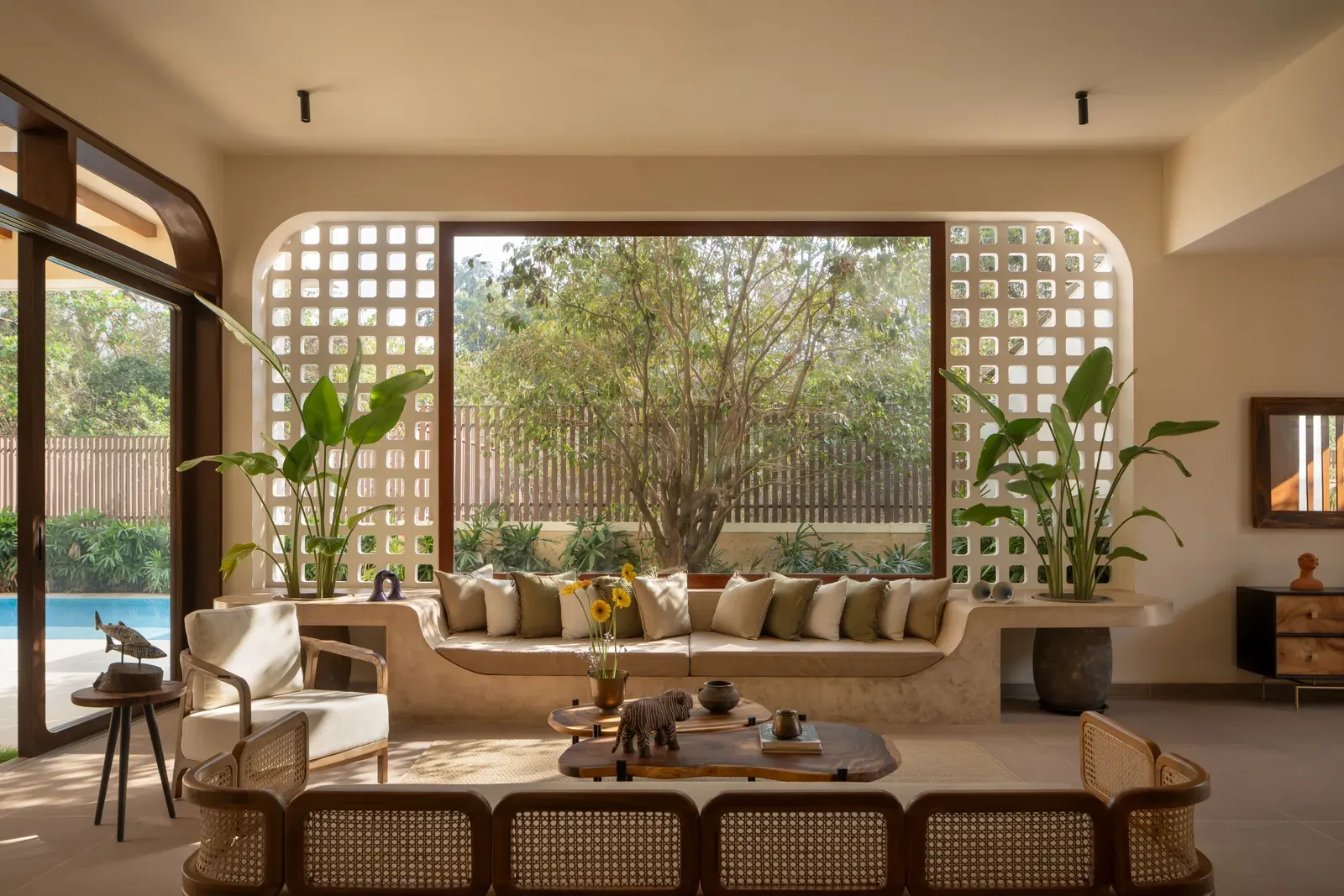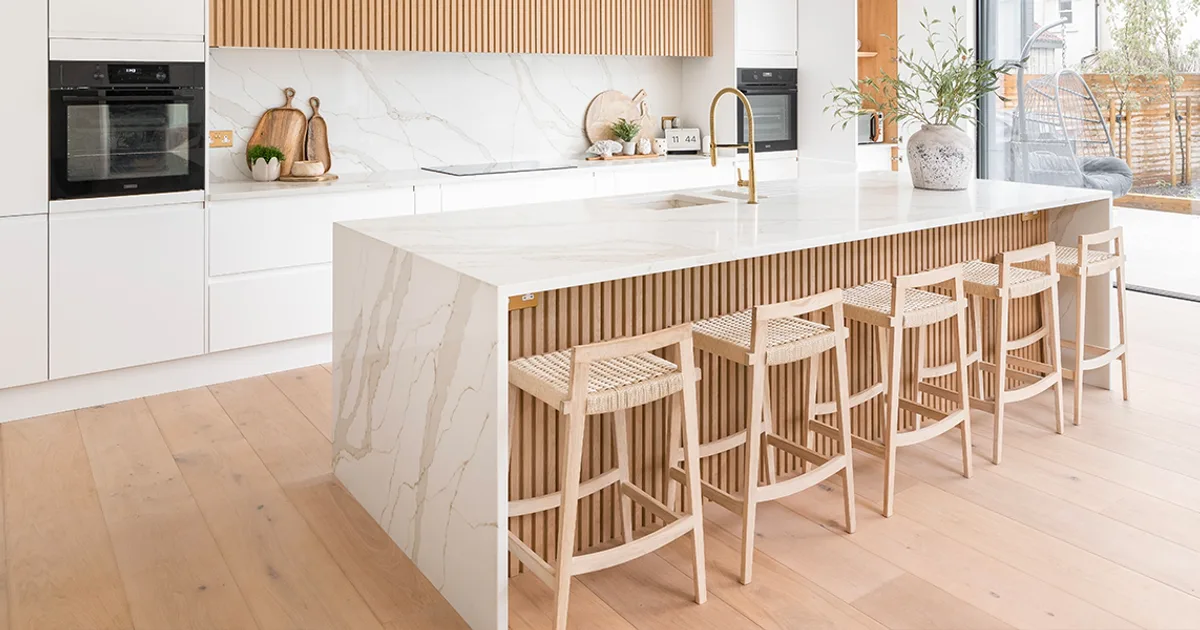
A home doesn’t need luxury furniture or high-end renovations to feel expensive. In fact, many interiors that look refined and high-end are built on very small, intentional decor choices rather than large investments. Professional designers often focus less on buying new things and more on refining what is already there.
The perception of “expensive” in interior design is not always about cost. It is about balance, spacing, texture, lighting, and visual control. A well-placed object, a better lighting choice, or even a shift in arrangement can completely change how a space feels.
The Power of Controlled Simplicity
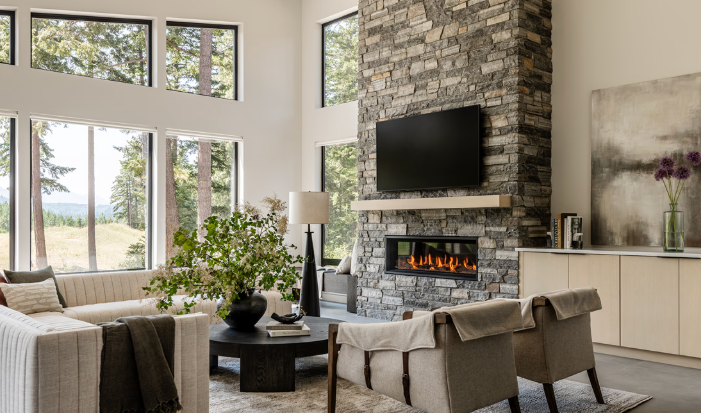
One of the strongest indicators of an expensive-looking home is restraint. Rooms that feel visually controlled tend to appear more refined. This doesn’t mean empty spaces, but rather spaces where every item feels intentional.
When surfaces are overcrowded, even high-quality decor loses impact. But when items are reduced and carefully placed, each object gains importance. A single sculpture on a console table often feels more elegant than a cluster of smaller decorations.
This sense of control creates a visual hierarchy that immediately elevates the space.
Lighting Layers Change Everything
Lighting is one of the most overlooked elements in home styling, yet it has one of the biggest impacts on perceived value.
Homes that rely only on overhead lighting often feel flat and basic. In contrast, layered lighting creates depth and atmosphere.
Table lamps, floor lamps, and soft accent lights help distribute warmth across the room. This reduces harsh shadows and adds a sense of intentional design.
Warm-toned lighting, in particular, creates a softer and more premium feel, similar to boutique hotels and curated interiors.
Neutral Color Harmony Creates a Refined Look
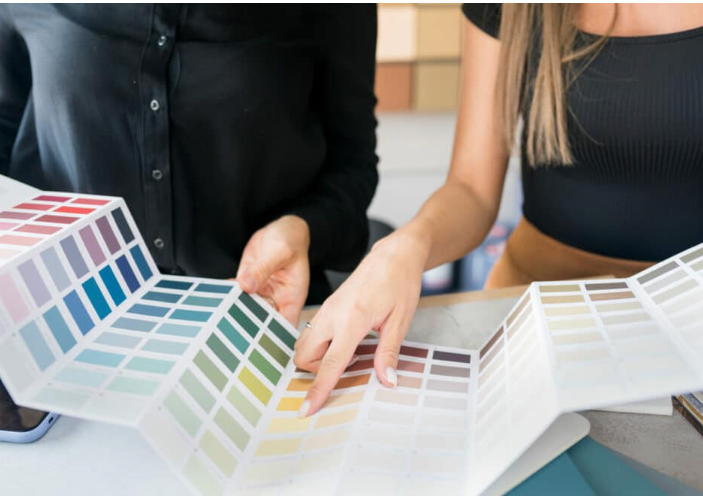
Color coordination plays a major role in how expensive a home feels. However, it is not about using expensive colors. It is about using consistent tones.
When colors in a room belong to the same tonal family, the space feels more unified. Soft beige, warm white, muted gray, and earthy tones naturally create harmony.
On the other hand, too many contrasting colors can make a space feel chaotic, even if the items themselves are high quality.
Professional designers often build rooms around a controlled palette to maintain visual coherence.
Texture Mixing Adds Depth Without Clutter
Texture is one of the most powerful tools in making a space feel elevated.
A room that combines smooth, soft, and natural textures feels more layered and sophisticated. For example, pairing linen curtains with a wooden table and a wool rug creates depth without adding visual noise.
This layering effect makes interiors feel more thoughtful and expensive because it mimics the complexity found in high-end spaces.
Even small additions like textured cushions or woven baskets can significantly enhance this effect.
The Importance of Negative Space
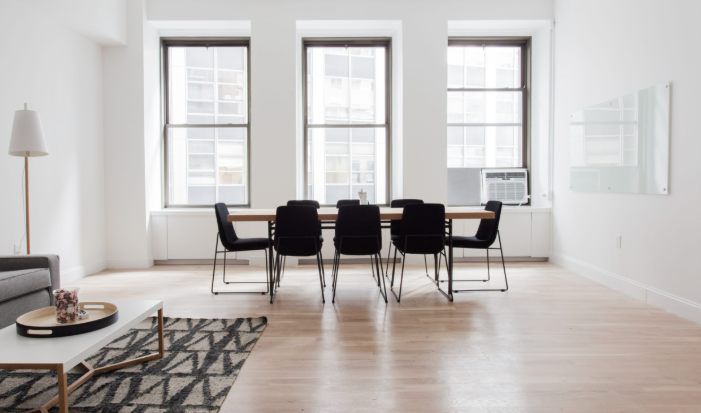
Empty space is often underestimated in home decor. However, professionally designed interiors rely heavily on breathing room between objects. This spacing allows each element to stand out instead of competing for attention.
A well-balanced room always includes intentional gaps. These spaces create structure and make the entire environment feel more curated. Without negative space, even expensive items can feel lost in visual clutter.
Making a home feel expensive is not about adding more. It is about refining what already exists. Through controlled simplicity, layered lighting, cohesive color palettes, and thoughtful spacing, even the most ordinary room can feel elevated, intentional, and professionally styled.