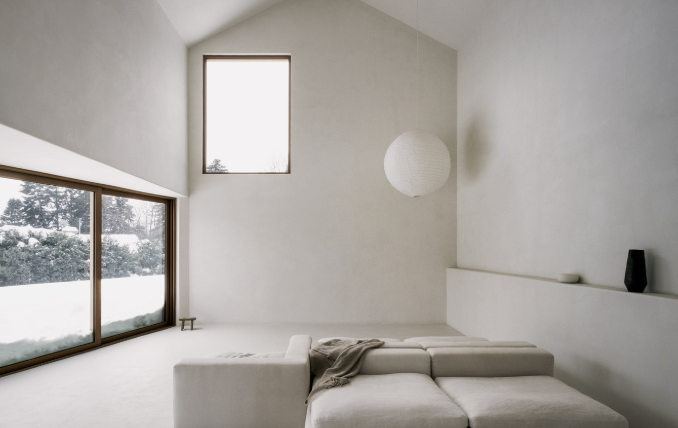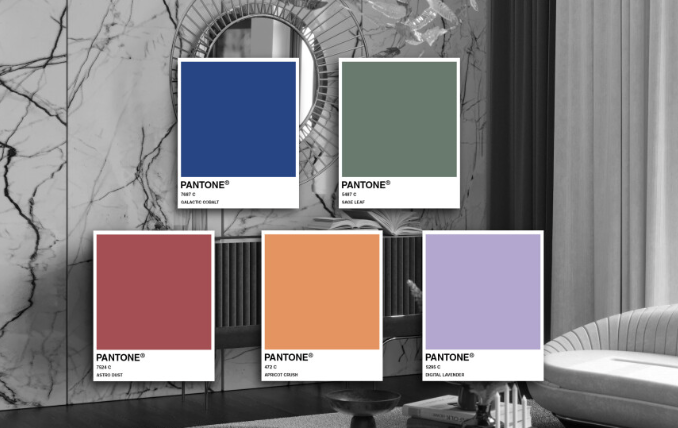
Furniture design is going through a quiet but important shift. Instead of focusing only on shapes and styles, designers are now paying much more attention to materials. What something is made of has become just as important as how it looks. This change is shaping how homes feel, how long furniture lasts, and how spaces age over time.
The result is a new material-driven direction in interior design where texture, sustainability, and emotional comfort are leading choices instead of purely visual trends.
Why Material Choice Has Become So Important
For many years, furniture trends were defined mostly by form and color. Clean lines, bold shapes, and matching palettes dominated interiors. But over time, people began noticing that even beautifully designed furniture could feel disconnected from everyday life if the materials didn’t feel right.
Surfaces that looked good but felt artificial started losing appeal. Shiny finishes, overly processed textures, and synthetic materials often lacked warmth. Homeowners now want furniture that feels natural to touch, ages well, and blends into daily life instead of feeling like a showroom piece.
Because of this shift, material selection has become one of the most important parts of modern furniture design.
Natural Wood Is Taking Center Stage Again
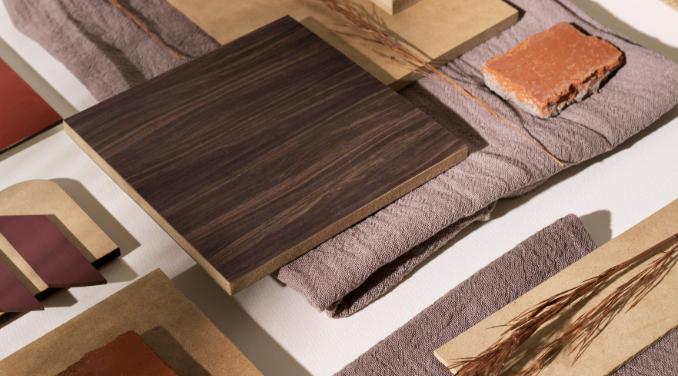
Wood has always been part of furniture design, but its role is becoming even stronger this year. Instead of heavily processed or painted wood, designers are leaning toward natural grains and visible textures.
Oak, walnut, ash, and teak are especially popular because they show character over time. Small imperfections are no longer hidden. They are embraced as part of the material’s identity.
This approach creates furniture that feels warm, grounded, and long-lasting. Wooden surfaces also adapt beautifully to different interiors, making them one of the most versatile materials in modern design.
Stone Elements Are Entering Everyday Furniture
Stone is no longer limited to kitchens and bathrooms. Designers are now incorporating stone-inspired materials into tables, shelving, and decorative furniture pieces.
Marble, travertine, and textured stone finishes are being used to add weight and stability to interior spaces. Even smaller stone accents can dramatically change the atmosphere of a room.
What makes stone appealing is its sense of permanence. It brings a natural contrast to softer materials like fabric and wood, helping create balance within a space.
Soft Fabrics Are Replacing Hard Surfaces
Comfort is becoming a major design priority, and fabrics are reflecting that shift.
Materials like linen, boucle, cotton blends, and wool are increasingly used in sofas, chairs, and decorative furniture. These fabrics introduce softness not just visually but physically.
Instead of rigid or glossy upholstery, designers are focusing on surfaces that feel relaxed and inviting. This makes furniture more usable for long periods and creates a more comfortable living experience overall.
Soft textures also help reduce visual harshness in modern interiors, especially in minimalist spaces.
Matte Finishes Are Replacing Glossy Surfaces
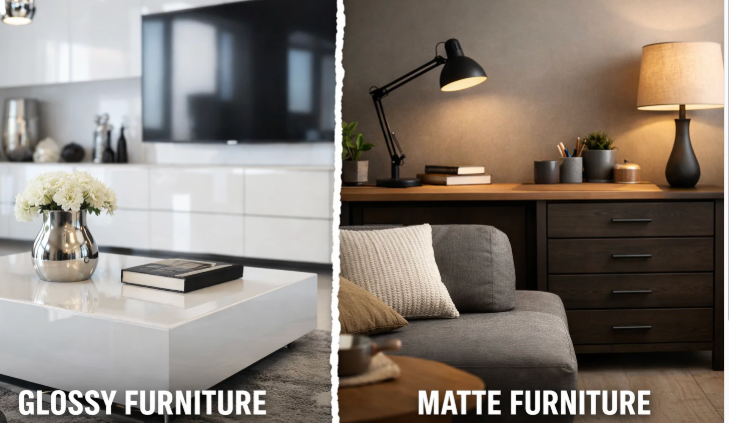
Glossy furniture finishes were once associated with luxury and modern design. However, they are slowly being replaced by matte and low-sheen finishes.
Matte surfaces feel more natural and less reflective, which makes them easier on the eyes. They also hide fingerprints and wear better over time.
This shift reflects a broader trend toward subtle elegance rather than high-shine display. Instead of attracting attention through reflection, furniture now creates interest through texture and form.
Sustainable Materials Are Becoming Standard, Not Optional
Sustainability is no longer a niche concept in furniture design. It is becoming a standard expectation.
Recycled wood, eco-friendly composites, natural fibers, and responsibly sourced materials are now widely used in mainstream furniture production.
Designers are also focusing on durability, ensuring that pieces last longer instead of being replaced frequently.
This shift is not only environmental but also practical. People want furniture that ages well and remains relevant for years.
Metal Accents Are Being Used More Subtly
Metal is still present in modern furniture, but its role has changed.
Instead of dominating designs, metals like brushed steel, brass, and blackened iron are being used as subtle accents. These materials add structure and contrast without overwhelming the overall design.
When combined with wood and fabric, metal elements help create visual balance while maintaining a refined look.
Why Material Warmth Matters More Than Ever
One of the biggest reasons behind this material shift is emotional comfort.
Homes are no longer just functional spaces. They are places where people relax, work, and spend long hours. Materials that feel cold or artificial are becoming less appealing.
Warm, tactile materials create a sense of comfort that directly affects how people experience their environment.
This emotional connection is now influencing almost every furniture decision.
Furniture materials are becoming the foundation of modern interior design. Instead of focusing on surface-level aesthetics, designers are choosing materials that feel natural, last longer, and create emotional comfort.
This year’s direction is clear. The future of furniture is not just about how it looks, but how it feels to live with every day.