Interior design is known for repeating itself in cycles, but the return of vintage-inspired details feels slightly different this time. Instead of fully recreating past styles, modern homes are selectively borrowing small elements from older design eras and blending them into contemporary spaces. The result is not a full return to vintage interiors, but a refined version of nostalgia integrated into modern living.
Why Vintage Details Are Making a Comeback
For a long time, interior design focused heavily on minimalism and modern simplicity. Clean lines, neutral colors, and smooth surfaces became the standard. While this created visually calm spaces, many homes also started feeling similar and emotionally flat.
People began missing character in their interiors. Something that felt personal, layered, and expressive.
Vintage-inspired details bring back that sense of individuality without overwhelming modern design principles. They add history, texture, and familiarity in a way that purely modern interiors often lack.
It’s Not About Full Vintage Style Anymore
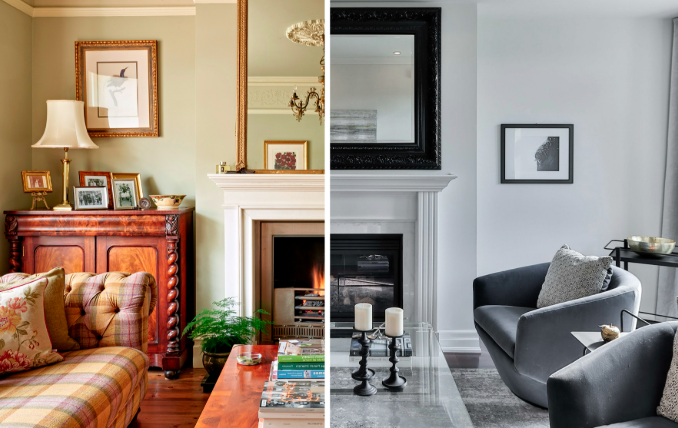
The current trend is not about recreating old-fashioned rooms. Instead, it focuses on integrating small vintage elements into contemporary environments.
A modern sofa paired with retro-style lighting. A minimalist kitchen with classic cabinet handles. A neutral room enhanced with antique-inspired decor pieces.
These subtle touches create contrast without changing the entire identity of the space.
This blend of old and new makes interiors feel more balanced and visually interesting.
Curved Shapes Are Returning to Furniture Design
One of the most noticeable vintage influences is the return of curves.
For years, sharp edges and straight lines dominated furniture design. Now, softer silhouettes are becoming more popular again.
Rounded sofas, curved armchairs, arched mirrors, and circular tables are reappearing in modern interiors.
These shapes feel more natural and relaxed compared to rigid geometric forms. They also help soften minimalist spaces, making them feel more inviting.
Warm Lighting Inspired by Older Interiors
Lighting design is another area where vintage influence is strong.
Instead of bright white lighting, designers are favoring warmer tones that resemble older incandescent lighting styles.
Pendant lamps, frosted glass fixtures, and soft-glow bulbs are being used to create a cozy atmosphere reminiscent of earlier decades.
This type of lighting adds depth and emotional warmth to modern interiors without sacrificing functionality.
Textured Glass and Decorative Detailing Are Back
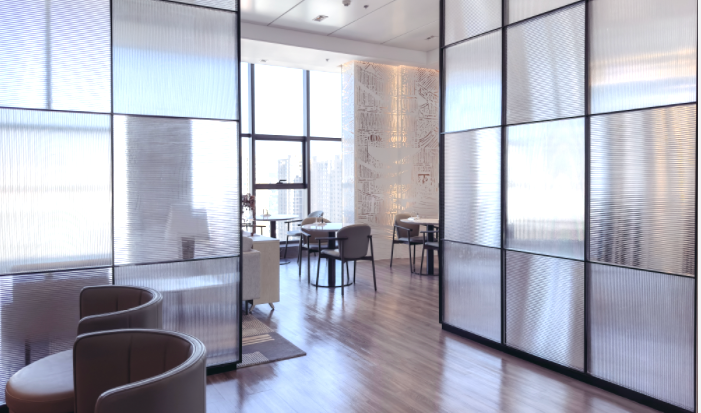
Glass surfaces are also evolving. Instead of plain transparent glass, textured, ribbed, and frosted variations are becoming popular again. These styles were common in older design eras but are now being reintroduced in modern contexts.
They add subtle detail without overwhelming the space. Similarly, decorative trims, paneling, and molding details are making a comeback in more refined forms. Instead of ornate decoration, the focus is on subtle architectural character.
Mixing Old and New Materials Creates Balance
One of the reasons vintage-inspired design works so well today is because it is being combined with modern materials.
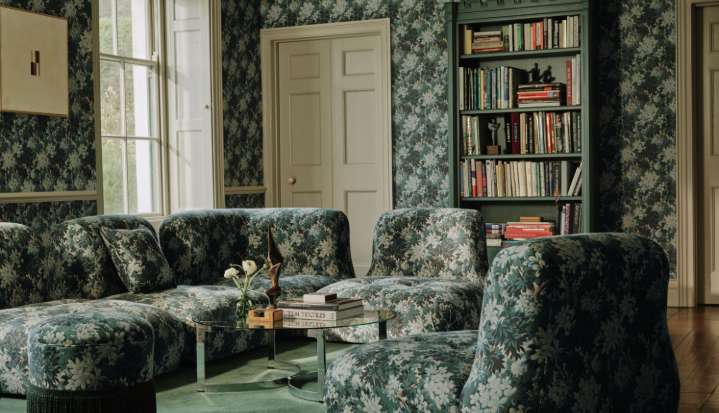
For example, a vintage-style wooden table may be paired with minimalist metal chairs. Or a classic patterned rug may sit under a contemporary sofa.
This blending of eras creates visual depth and prevents interiors from feeling one-dimensional.
The contrast between old and new is what makes these spaces feel dynamic.
Why Nostalgia Plays a Big Role in This Trend
Nostalgia is a powerful influence in design.
Vintage-inspired details often remind people of familiar spaces, older homes, or traditional craftsmanship. These subtle emotional connections make interiors feel more meaningful.
Unlike purely modern designs, which can sometimes feel detached, vintage elements bring warmth and storytelling into a space.
This emotional layer is a major reason the trend is growing.
Small Details Make the Biggest Impact
What makes this trend interesting is that it relies on small changes rather than full transformations.
Simple details like hardware, lighting choices, mirror frames, or fabric patterns can completely change the atmosphere of a room.
Even a minimal modern space can feel more layered with the right vintage-inspired accents.
This makes the trend accessible and easy to incorporate without major renovations.
Vintage-inspired details are returning not as a full design revival, but as a subtle enhancement to modern interiors.
By blending nostalgic elements with contemporary simplicity, homes gain character, warmth, and personality without losing their modern identity.
This balance between past and present is what makes the trend feel both timeless and relevant at the same time.