Introduction
The ceiling is often called the fifth wall of a room, yet it is one of the most overlooked elements in interior design. While homeowners usually focus on flooring, furniture, wall colors, and decorative accessories, an attractive ceiling can dramatically transform the look and feel of any space. A thoughtfully designed ceiling adds depth, elegance, and personality while enhancing the overall atmosphere of a room.
Modern ceiling designs are no longer limited to plain white surfaces. Today’s trends include creative textures, layered designs, decorative lighting, natural materials, and architectural details that make ceilings an important feature of home décor. Whether you are renovating your living room, bedroom, dining area, or office, updating the ceiling can instantly improve the appearance of your home.
This guide explores timeless and modern ceiling design trends that can elevate any room while combining beauty with functionality.
Embrace Minimalist Ceiling Designs
Minimalist ceilings continue to be one of the most popular choices for modern homes.
Clean lines, smooth finishes, and simple architectural details create an elegant appearance without overwhelming the room. A minimalist ceiling complements almost every interior style, making it an excellent long-term design choice.
This approach also allows furniture and decorative elements to remain the focal points of the space.
Add Layered Ceiling Features
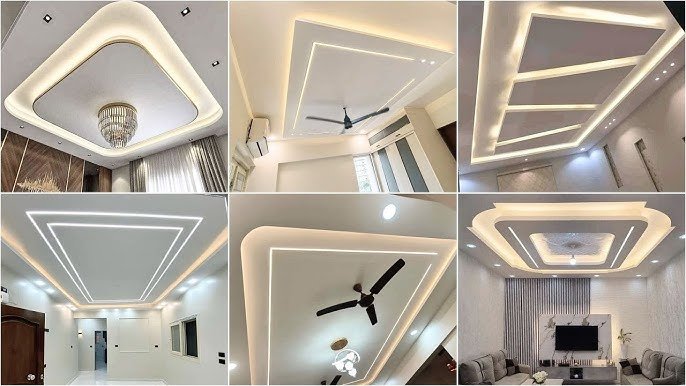
Layered ceilings create depth and visual interest by incorporating multiple levels into the ceiling structure.
These designs work especially well in living rooms, dining rooms, and master bedrooms where additional architectural detail can enhance the overall atmosphere. Layered ceilings also provide ideal spaces for hidden lighting that creates a soft and luxurious glow.
Even subtle layers can make a room appear more sophisticated.
Install Recessed Lighting
Lighting plays a significant role in ceiling design.
Recessed lights provide clean, modern illumination while maintaining a simple appearance. They distribute light evenly throughout the room without taking up visual space.
Combining recessed lighting with pendant lights or decorative fixtures creates a balanced lighting design that is both practical and attractive.
Use Wooden Ceiling Accents
Natural wood adds warmth, texture, and character to any room.
Wooden beams, panels, or decorative slats create a welcoming environment while complementing both traditional and contemporary interiors. Light-colored wood produces a bright and airy atmosphere, while darker finishes add richness and elegance.
Natural materials remain timeless and continue to grow in popularity.
Incorporate Decorative Molding
Ceiling molding introduces classic architectural detail that never goes out of style.
Simple crown molding creates smooth transitions between walls and ceilings while adding elegance to the room. Decorative molding also works well with traditional, transitional, and modern interiors when designed thoughtfully.
Well-proportioned molding enhances the overall appearance without feeling excessive.
Highlight the Ceiling with Paint
Color can transform an ordinary ceiling into a beautiful design feature.
Soft neutral shades create an open and calming atmosphere, while darker colors add drama and intimacy to larger spaces. Matching ceiling colors with the overall interior palette creates visual harmony throughout the room.
Carefully selected paint colors help emphasize architectural details while adding personality.
Create a Statement with Pendant Lighting
A beautiful light fixture naturally draws attention upward.
Pendant lights, elegant chandeliers, and sculptural ceiling fixtures serve as both functional lighting and decorative centerpieces. Choosing the right fixture helps define the style of the room while providing sufficient illumination.
Statement lighting works particularly well above dining tables, kitchen islands, and living room seating areas.
Add Hidden LED Lighting
Hidden LED lighting has become one of the most popular ceiling design trends.
Concealed lighting placed within layered ceilings creates soft ambient illumination that enhances comfort and relaxation. Adjustable LED systems also allow homeowners to change brightness levels depending on the time of day or activity.
This lighting technique creates a modern and luxurious appearance.
Explore Textured Ceiling Finishes
Texture adds depth and visual interest without overwhelming the room.
Subtle plaster finishes, wood panels, decorative tiles, or geometric patterns create ceilings that stand out while maintaining elegance. Textured ceilings also help reduce the appearance of minor surface imperfections.
Choosing the right texture depends on the overall style of the home.
Keep Ceiling Colors Bright
Bright ceilings make rooms feel larger and more open.
White remains the most popular choice because it reflects natural light and complements every design style. Soft cream, warm beige, and light gray also create inviting interiors while maintaining a timeless appearance.
Lighter colors work especially well in smaller rooms with limited natural light.
Combine Modern and Traditional Elements
Blending contemporary features with classic architectural details creates a balanced interior.
For example, minimalist recessed lighting can complement traditional crown molding, while modern pendant fixtures can pair beautifully with natural wood ceiling beams.
Combining styles thoughtfully creates a unique and personalized design.
Consider Acoustic Ceiling Solutions
Modern ceiling designs can improve both appearance and comfort.
Acoustic ceiling panels help reduce unwanted noise, making them ideal for home offices, media rooms, and open living spaces. Many acoustic materials are available in stylish finishes that blend seamlessly with contemporary interiors.
Improving sound quality enhances the overall living experience.
Maintain Visual Balance
Ceiling design should complement the rest of the room rather than compete with it.
Choose colors, materials, and lighting that coordinate with your flooring, walls, furniture, and decorative accessories. Balanced design creates harmony while preventing the ceiling from appearing too dominant.
A well-proportioned ceiling enhances the room without overwhelming the space.
Prioritize Quality Materials
High-quality materials provide better durability and long-term value.
Invest in reliable lighting fixtures, durable finishes, quality wood, and professionally installed ceiling elements whenever possible. Quality craftsmanship ensures your ceiling remains attractive for many years.
Well-built ceilings require less maintenance and retain their appearance over time.
Personalize Your Ceiling Design
Your ceiling should reflect your personal style while remaining functional.
Whether you prefer modern simplicity, rustic charm, classic elegance, or contemporary luxury, choose design elements that complement your lifestyle and the character of your home.
Personal touches help create interiors that feel both comfortable and distinctive.
Conclusion
Ceiling design plays a vital role in shaping the overall appearance of a room. By incorporating layered ceilings, recessed lighting, natural wood accents, decorative molding, textured finishes, and carefully selected lighting fixtures, you can transform ordinary spaces into elegant and inviting environments.
Rather than treating the ceiling as an afterthought, consider it an essential part of your home’s design. Thoughtful planning, quality materials, and timeless design choices will create beautiful ceilings that enhance your living spaces for many years while adding comfort, value, and lasting visual appeal.