For decades, color was considered the foundation of interior design. Entire rooms were planned around paint samples, color palettes, and matching accents. Homeowners spent countless hours deciding between shades of gray, beige, blue, or white, believing that color alone would determine how a space looked and felt.
But something interesting has been happening in recent years.
Designers are paying less attention to bold color statements and focusing more on something people often overlooked in the past: texture.
Today, the feeling of a room matters just as much as its appearance. Instead of asking, “What color should this be?” many designers are now asking, “How should this space feel?”
That shift has quietly transformed modern interior design.
Why Color Alone No Longer Creates Interesting Spaces
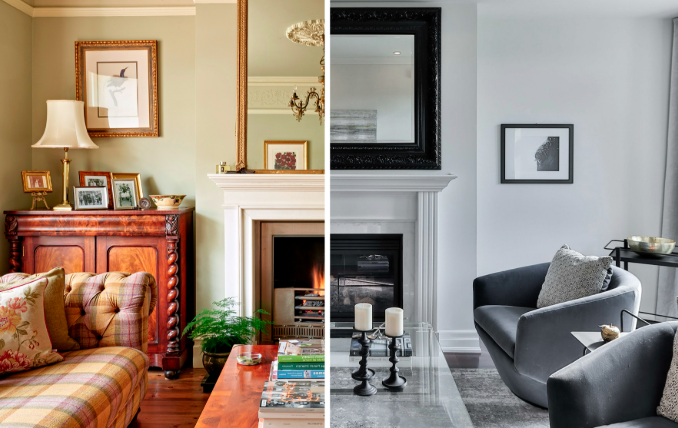
There was a time when adding color was enough to make a room feel unique. A navy accent wall or a bright piece of furniture immediately attracted attention. But as minimalist interiors became more common and neutral colors dominated homes, designers realized something important. A room filled with beautiful colors can still feel flat.
When every surface shares the same finish and material, even expensive interiors can appear lifeless. The eye quickly becomes accustomed to uniformity, causing the room to lose depth. Texture solves this problem by introducing layers that create movement and visual interest without overwhelming the space.
Texture Creates Depth Without Adding Clutter
One reason texture has become so important is that modern homeowners are trying to simplify their spaces.
People want cleaner interiors with fewer decorative items. But fewer objects can sometimes make a room feel empty.
Texture provides a solution.
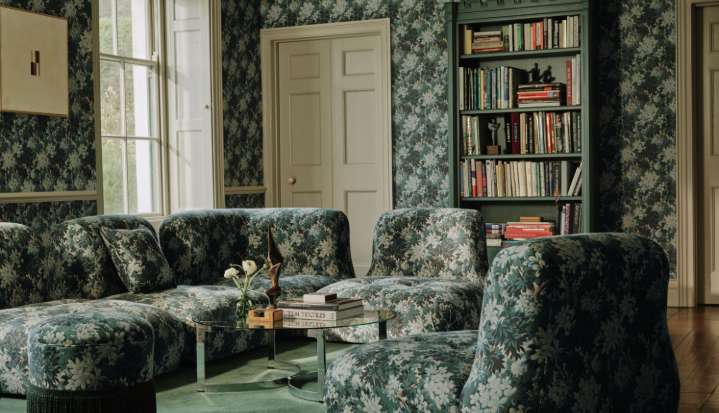
Instead of filling shelves with decorations, designers create interest through materials. A woven rug, a linen sofa, natural wood, and textured curtains all add richness without creating clutter.
The room feels complete without appearing crowded.
Natural Materials Are Leading the Trend
Modern interiors are increasingly moving toward materials that feel authentic.
Wood grains, stone surfaces, cotton fabrics, wool rugs, and ceramic finishes have become extremely popular because they introduce subtle imperfections and character.
Unlike highly polished synthetic materials, natural surfaces change over time. They age gracefully and often become more beautiful with use.
These imperfections create warmth that perfectly smooth surfaces sometimes lack.
People are beginning to appreciate materials not because they are flawless, but because they feel real.
Texture Changes Throughout the Day
One of the most fascinating aspects of texture is how it interacts with light.
Morning sunlight highlights wood grains differently than evening light. Soft fabrics create shadows that shift throughout the day. Stone surfaces reveal details depending on where the light enters the room.
Because of this, textured spaces feel dynamic and alive.
Even when nothing changes physically, the room constantly evolves as natural light moves across its surfaces.
Color remains relatively constant, but texture continuously creates new experiences.
Why Neutral Colors Depend on Texture
Neutral colors are still extremely popular.
Beige, cream, white, sand, and soft gray continue to dominate modern interiors. However, neutral spaces depend heavily on texture to avoid feeling boring.
A cream-colored room filled with glossy surfaces may appear sterile. But the same room layered with linen curtains, wool rugs, wooden furniture, and textured cushions immediately feels warmer.
Texture gives neutral colors personality.
Without it, many modern interiors would feel unfinished.
Soft Textures Create Emotional Comfort
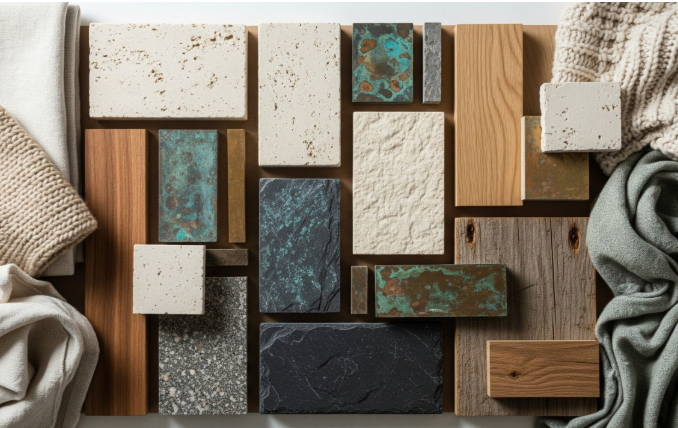
Interior design is not just about appearance. It also influences emotions.
Soft textures naturally create feelings of comfort and relaxation. Plush fabrics, woven materials, and layered textiles make spaces feel welcoming.
This emotional effect is one reason hotels, luxury resorts, and high-end homes rely heavily on texture.
People may not consciously notice every material choice, but they instantly recognize how the room makes them feel.
Comfort often comes from texture more than color.
Layering Different Materials Creates Balance
Modern designers rarely use one material repeatedly throughout an entire room.
Instead, they combine multiple textures to create balance.
Smooth stone may be paired with soft fabrics. Warm wood can contrast with matte metal finishes. Woven baskets can soften contemporary furniture.
These combinations create visual rhythm.
The room becomes more interesting because different surfaces interact with one another.
Even subtle differences in texture can dramatically influence how a space feels.
Why Texture Feels More Timeless Than Color Trends
Color trends change constantly.
One year, deep greens dominate. The next year, warm browns become fashionable. Paint colors often rise and fall quickly.
Texture tends to age much more gracefully.
Natural wood, stone, linen, and wool rarely feel outdated because they are connected to timeless materials rather than temporary trends.
This makes texture one of the safest investments in interior design.
While colors may change, quality materials remain relevant for decades.
Minimalism Helped Texture Become More Important
As minimalism became more popular, designers had fewer decorative elements to work with.
Since rooms contained fewer objects, surface quality suddenly became much more noticeable.
Texture stepped into the spotlight.
Instead of relying on decorations to create interest, designers began using materials themselves as design features.
This shift helped texture become one of the most important elements in modern interiors.
The Future of Home Decor Is About Feeling, Not Just Seeing
Interior design is moving beyond visual beauty.
People increasingly want homes that support relaxation, comfort, and emotional well-being. Texture plays a major role in achieving that goal.
Future trends will likely focus even more on materials that feel warm, authentic, and calming.