Minimalism has dominated interior design for more than a decade. Clean lines, clutter-free rooms, and neutral color palettes became symbols of modern living. Social media, design magazines, and home renovation shows all embraced the idea that “less is more.”
At first, the trend felt refreshing. People were tired of overcrowded rooms and excessive decoration. Minimalism offered simplicity, organization, and a sense of calm. However, as the style grew increasingly popular, many homeowners began to notice something unexpected.
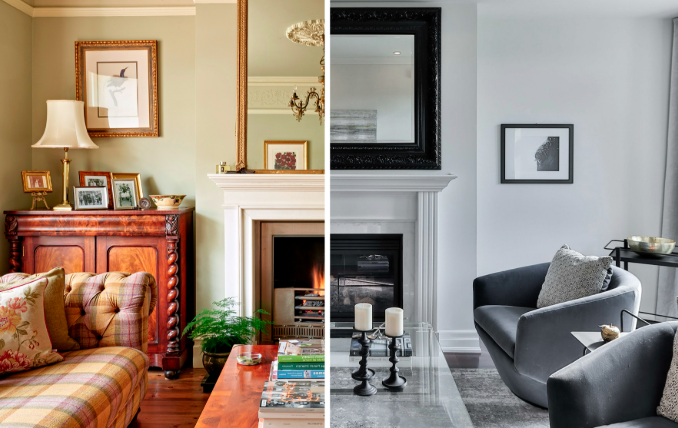
Although traditional minimalist spaces looked beautiful in photographs, they didn’t always feel comfortable in real life. Rooms often appeared too cold, too empty, or too perfect to actually enjoy. As a result, a new version of minimalism has emerged. Known as cozy minimalism, this approach combines simplicity with warmth, creating spaces that feel peaceful without sacrificing comfort.
Why Traditional Minimalism Started Feeling Too Cold
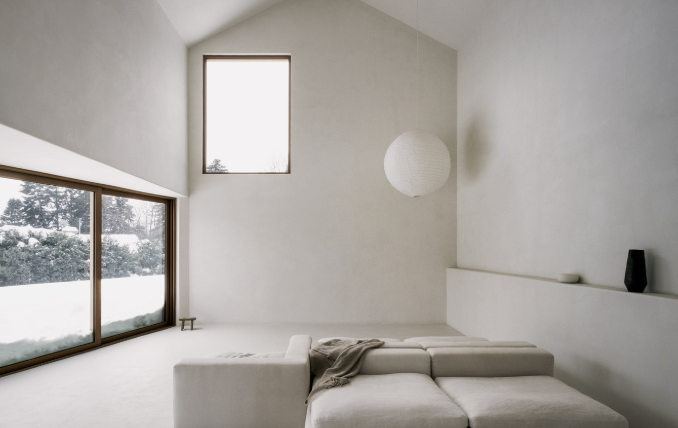
The original minimalist movement focused heavily on removing excess. Furniture was kept to a minimum, decorations were pared down, and every item had to serve a practical purpose.
While this approach created visually clean interiors, many people discovered that these spaces sometimes lacked personality. White walls, hard surfaces, and strict organization could make homes feel more like art galleries than places meant for everyday living.
Over time, homeowners realized that simplicity alone wasn’t enough. A home should not only look organized, but also feel welcoming. People wanted rooms where they could truly relax instead of constantly worrying about maintaining a picture-perfect environment.
This growing desire for warmth and comfort laid the foundation for cozy minimalism.
What Exactly Is Cozy Minimalism?
Cozy minimalism is not about abandoning minimalist principles. Instead, it reinterprets them.
The goal is still to eliminate unnecessary clutter and create calm surroundings. However, unlike traditional minimalism, cozy minimalism allows spaces to feel softer and more personal.
Instead of focusing on perfection, this design philosophy prioritizes livability. It recognizes that homes are meant to support everyday life rather than simply impress visitors.
A cozy minimalist room may contain fewer items than a traditional home, but every object contributes to comfort, atmosphere, and emotional well-being. The result is a balance between simplicity and warmth.
Warm Neutral Colors Are Replacing Stark White Interiors
One of the biggest changes within cozy minimalism involves color.
For years, bright white walls dominated minimalist design. While white creates a sense of openness, excessive use of it can sometimes make spaces feel sterile or lifeless.
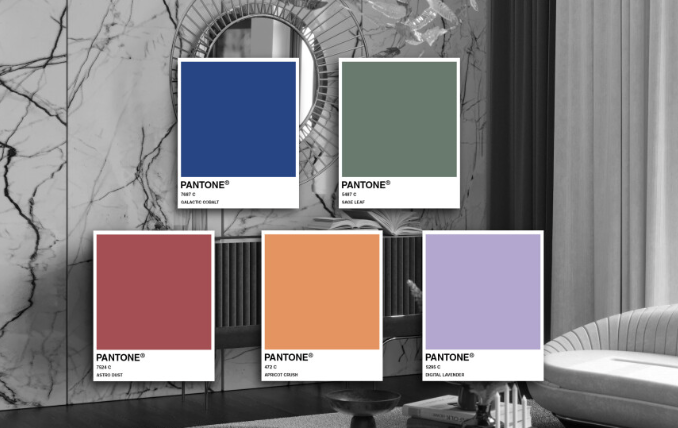
Today’s designers are introducing warmer tones that create a more inviting atmosphere. Cream, oatmeal, beige, sand, soft taupe, and muted earth colors are becoming increasingly popular.
These shades maintain the airy quality people love about minimalism while adding a layer of warmth that traditional white interiors often lacked.
The result is a room that feels peaceful without appearing overly clinical.
Texture Has Become More Important Than Decoration
Cozy minimalism relies heavily on texture to create interest.
Since the style avoids excessive accessories and decorations, materials themselves become the focal point. Soft linen curtains, chunky knit blankets, woven baskets, wool rugs, and natural wood furniture all contribute to the overall atmosphere.
Texture introduces depth without creating clutter. A simple room with layered materials feels far richer than a room filled with smooth surfaces.
This approach allows homeowners to maintain simplicity while ensuring the space never feels empty or unfinished.
Furniture Is Becoming Softer and More Comfortable
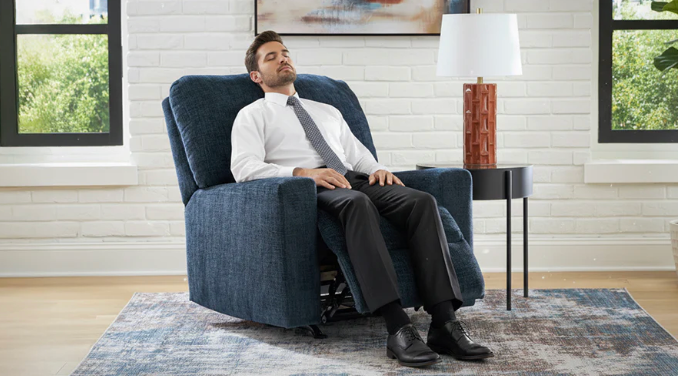
Traditional minimalist furniture often emphasized straight lines and geometric forms. Although visually striking, these designs sometimes prioritized appearance over comfort.
Cozy minimalism moves in a different direction.
Rounded sofas, oversized chairs, curved coffee tables, and plush fabrics are becoming increasingly common. Furniture is now chosen based on how it feels to use, not simply how it looks.
People are spending more time at home than ever before, which means comfort has become just as important as aesthetics.
This shift has helped transform minimalist spaces from display rooms into environments that encourage relaxation.
Personal Objects Are Finally Welcome Again
Classic minimalism often encouraged homeowners to hide personal belongings and keep decorative items to an absolute minimum.
Cozy minimalism takes a more balanced approach.
Instead of eliminating personality, it encourages people to display meaningful objects in moderation. Favorite books, framed photographs, handmade ceramics, and treasured keepsakes are no longer considered distractions.
These items help tell the story of the people living inside the home.
By allowing carefully chosen personal objects to remain visible, cozy minimalism creates spaces that feel authentic rather than generic.
Lighting Plays a Bigger Role Than Ever Before
Lighting has become one of the most important elements in cozy minimalist interiors.
Traditional minimalist homes frequently relied on bright overhead lighting, which often created harsh environments. Cozy minimalism favors layered lighting instead.
Table lamps, floor lamps, wall sconces, and warm ambient lighting create softer atmospheres that change throughout the day.
This approach allows homeowners to adjust the mood of a room depending on the time and activity.
Good lighting doesn’t just illuminate a space. It influences how the entire room feels.
Natural Materials Help Create Emotional Warmth
Another defining feature of cozy minimalism is the use of natural materials.
Wood, cotton, wool, stone, and linen are increasingly replacing synthetic finishes. These materials introduce subtle imperfections that make spaces feel more genuine and relaxed.
Natural surfaces also age beautifully over time, which adds character rather than making rooms feel outdated.
People are increasingly drawn to materials that create emotional comfort rather than simply following design trends.
This connection to nature helps transform minimalist interiors into calming retreats.
Why Imperfection Is Becoming More Acceptable
Perhaps one of the biggest differences between traditional and cozy minimalism is the attitude toward perfection.
Earlier minimalist styles often demanded spotless surfaces and perfectly arranged spaces. Maintaining that level of control could become exhausting.
Cozy minimalism embraces a more realistic philosophy.
A slightly wrinkled throw blanket, a stack of books beside a chair, or a handmade object with imperfections are no longer viewed as problems. Instead, they are seen as signs that the home is actually being lived in.
This acceptance makes the style easier to maintain and far more enjoyable in everyday life.
Why People Are Choosing Comfort Over Perfection

Modern life has become increasingly fast-paced and stressful. Because of that, people want homes that provide emotional relief.
Cozy minimalism answers this need by creating environments that encourage rest, comfort, and simplicity without imposing unrealistic expectations.
The focus has shifted from impressing guests to improving daily life.
Homeowners are no longer designing spaces solely for social media photographs. They are designing spaces for themselves.
That change in priorities explains why cozy minimalism continues to grow in popularity.
The Future of Minimalist Design
Minimalism itself isn’t disappearing. Instead, it is evolving.
People still appreciate organized spaces and thoughtful design, but they no longer want homes that feel cold or overly controlled.
The future of interior design will likely continue blending simplicity with comfort. Warm colors, natural materials, soft textures, and personal touches are becoming essential components of modern living.