Boutique hotels have always had a very specific kind of appeal. They don’t rely on size or excess to feel luxurious. Instead, they focus on atmosphere. Every corner feels intentional, every material feels chosen, and every room seems to carry a quiet sense of identity. Unlike large chain hotels that prioritize uniformity, boutique hotels lean into character, mood, and storytelling.
Over the past few years, this design approach has started to move beyond hospitality spaces and into everyday homes. What used to be exclusive to curated hotel interiors is now shaping how people design their living rooms, bedrooms, kitchens, and even bathrooms.
This shift is not about copying hotel rooms. It is about adopting the emotional logic behind them.
Why Boutique Hotel Design Feels So Appealing
The appeal of boutique hotels comes from how they make people feel rather than how they look in isolation. There is a strong emphasis on comfort, but also on visual storytelling.
Unlike traditional home interiors that often evolve slowly over time, boutique hotel rooms are designed with a clear intention from the start. Nothing feels accidental. Every object has a purpose, whether it is functional or atmospheric.
This creates a sense of clarity that many homes lack. People are now trying to bring that same clarity into their personal spaces.
Another reason for their popularity is emotional escape. Boutique hotels feel slightly removed from everyday life. They are familiar enough to feel comfortable but styled enough to feel elevated. That balance is exactly what modern homeowners are trying to recreate.
Layered Lighting Creates Hotel-Like Atmosphere
One of the most recognizable features of boutique hotel interiors is lighting. Instead of relying on a single bright source, hotels use multiple layers of light to shape mood and depth.
This approach has now become central in residential design.
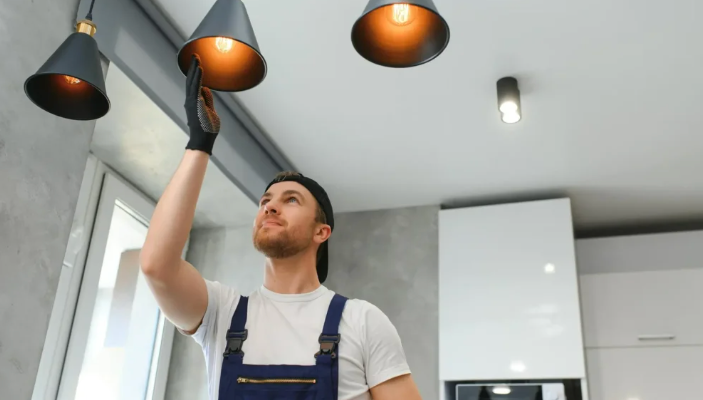
Soft bedside lamps, hidden wall lighting, warm ambient glows, and carefully placed accent lights work together to create a sense of calm structure. The goal is not maximum brightness, but controlled atmosphere.
In boutique-inspired homes, lighting is rarely uniform. Different areas of a room feel slightly different depending on how light is distributed. This creates emotional variation within a single space, making it feel more dynamic and lived-in.
The result is a home that feels less like a static environment and more like a changing experience throughout the day.
Textural Contrast Defines Modern Hotel-Inspired Interiors
Boutique hotels rarely rely on a single texture. Instead, they build contrast through materials.
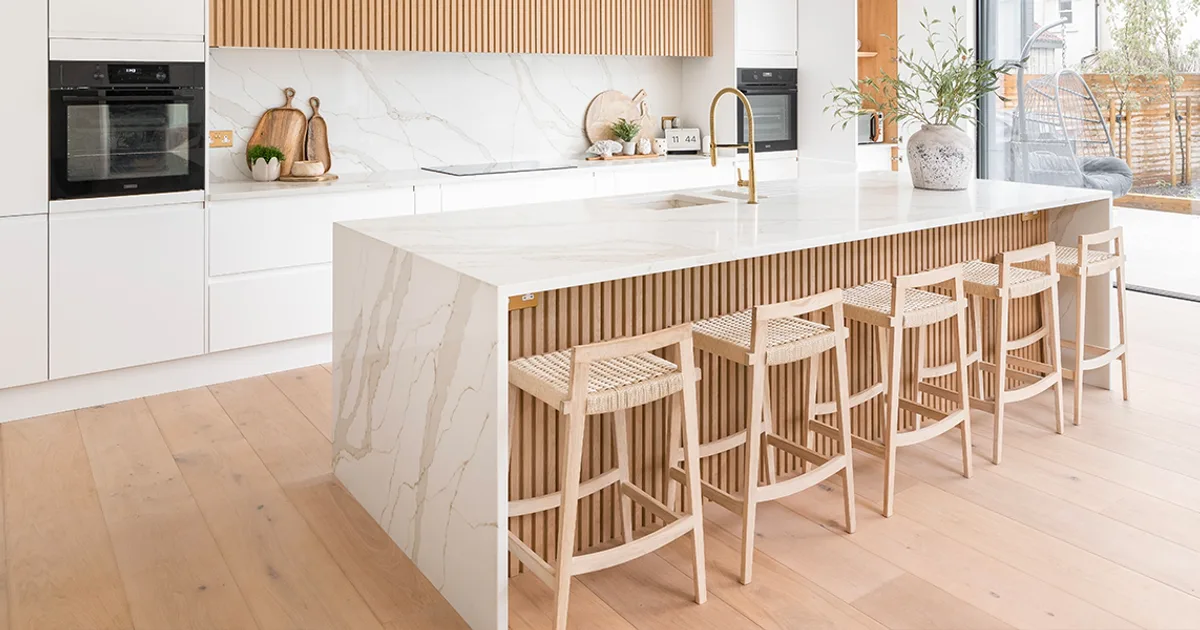
Smooth surfaces are paired with soft fabrics. Matte finishes are balanced with natural wood. Stone elements sit alongside upholstered furniture. This combination creates depth without visual clutter.
This approach is now becoming common in homes as well.
Instead of matching everything too perfectly, designers are introducing controlled contrast. A linen sofa next to a stone coffee table. A wool rug under a sleek metal lamp. Wooden panels beside soft curtains.
The goal is to create tactile richness. Even when colors are neutral, texture ensures that the space never feels flat or repetitive.
Statement Furniture as Visual Anchors
Boutique hotel rooms often include one or two standout furniture pieces that define the entire space.
This might be a uniquely shaped chair, a bold headboard, or a sculptural table. These pieces are not overwhelming, but they are intentional enough to guide attention.
This idea is now being adopted in residential interiors.
Instead of filling rooms with many competing pieces, homeowners are starting to use fewer but more distinctive items. One strong visual anchor can define a living room far more effectively than multiple smaller decorations.
This approach also reduces clutter while maintaining personality.
Calm Color Palettes With Depth
Color usage in boutique hotels is often more refined than in traditional home interiors. Instead of highly saturated tones or extreme contrast, the focus is on layered neutrals with subtle variation.
Warm beige, soft gray, muted olive, dusty rose, and earthy browns are often used together in slightly different intensities.
This creates a sense of depth without overwhelming the eye.
Homes inspired by this approach avoid flat, single-tone palettes. Instead, they build color in layers, where different shades of the same family interact with each other.
The result is a space that feels calm but not empty.
Built-In Details That Feel Intentional
Another strong influence from boutique hotels is the use of built-in design elements.
Headboards integrated into walls, recessed shelving, custom lighting niches, and seamless cabinetry all contribute to a feeling of cohesion.
These details make spaces feel more architectural and less decorative.
In residential interiors, this translates into cleaner layouts where storage and structure are embedded into the design rather than added on top of it.
Even simple homes can adopt this idea through subtle integration, where functionality blends into the structure of the room instead of standing apart from it.
Art Placement as a Design Strategy
Boutique hotels rarely treat art as random decoration. Instead, art is placed with precision.
Large-scale artwork is often used as a focal point in rooms, while smaller pieces are grouped in intentional arrangements. Negative space around art is carefully considered to enhance its presence.
This approach is influencing how people decorate their homes.
Rather than filling walls with many small items, the focus is shifting toward fewer, more impactful pieces. This allows each artwork to breathe and contribute more meaningfully to the space.
Art becomes part of the architecture rather than surface decoration.
Furniture Layout That Encourages Flow
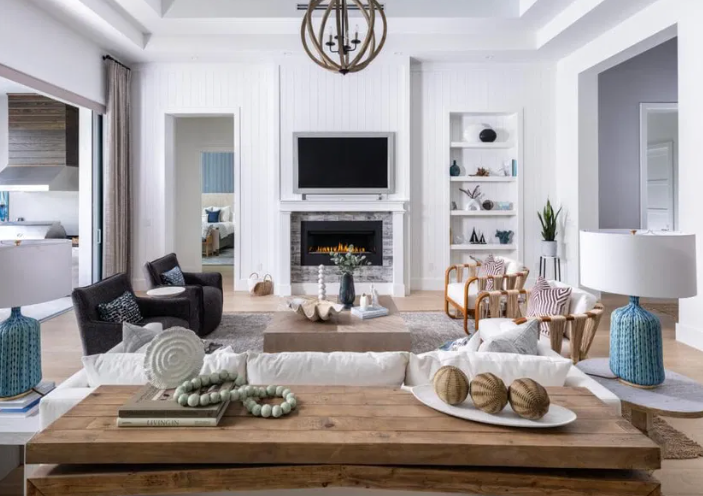
Boutique hotel layouts are designed for movement and comfort rather than strict symmetry.
Furniture is placed to encourage natural flow through the room. Paths are clear, seating feels conversational, and nothing feels blocked or forced.
This sense of ease is now being applied in homes.
Instead of rigid alignment, layouts are becoming more flexible. The goal is to create spaces that feel intuitive to move through, where furniture supports interaction rather than restricting it.
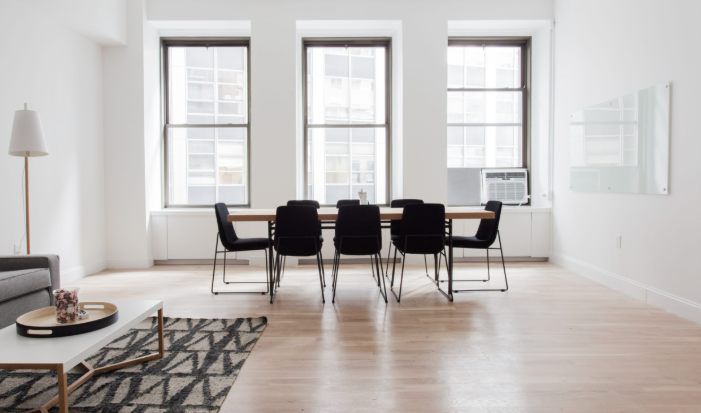
This makes rooms feel more open even when they are not large in size.
Soft Luxury Instead of Loud Opulence
One of the biggest influences boutique hotels have introduced is the idea of soft luxury.
Instead of shiny finishes, gold overload, or overly decorative elements, luxury is now expressed through subtle quality.
This includes well-crafted materials, comfortable seating, soft lighting, and thoughtful design details that may not be immediately obvious but are felt over time.
This quiet form of luxury is becoming more desirable in residential spaces because it feels more sustainable and less performative.
Boutique hotel design is influencing everyday homes not by introducing complexity, but by refining simplicity.
It focuses on atmosphere, texture, lighting, and emotional clarity rather than excess decoration.
As these principles move into residential design, homes are becoming more intentional, more comfortable, and more aligned with how people actually live rather than how spaces are traditionally displayed.