Homes don’t look or behave the way they used to. Rooms are expected to do more, spaces are tighter, and lifestyles change faster than furniture trends can keep up. Because of that pressure, something interesting has been happening quietly in interior design. Furniture is no longer just furniture. It’s becoming adaptive, responsive, and in many cases, almost modular in behavior.
A new generation of multifunctional furniture has emerged, but it didn’t arrive with loud marketing or obvious branding. It grew slowly through design studios, small innovations, and practical problem-solving in modern homes. And now it’s reshaping how people think about living spaces.
Furniture That No Longer Has One Identity
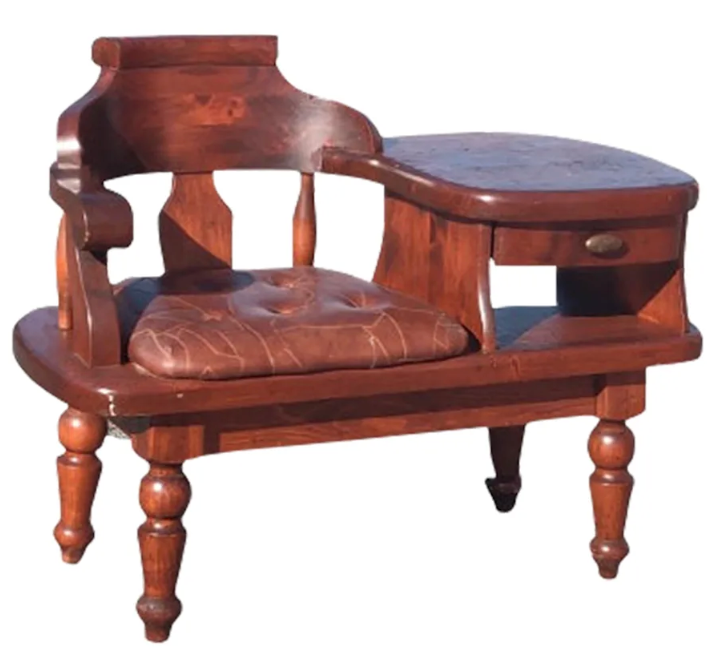
Traditional furniture had clear roles. A sofa was for sitting. A bed was for sleeping. A table was for eating or working. Each item had a fixed identity and rarely changed its purpose.
That structure made sense in simpler living setups. But modern life doesn’t stay in one mode. A single room might be a workspace in the morning, a relaxation zone in the evening, and a social space at night.
Multifunctional furniture responds to that shift by removing fixed identity. A piece is no longer defined by a single function. Instead, it carries multiple roles depending on how it is used.
A surface can become storage. A seating unit can become a layout divider. A table can expand, collapse, or reposition based on need. The furniture adapts instead of the room being forced to adapt around it.
The Quiet Shift Away From Static Design
For decades, furniture design focused on stability and permanence. Heavy materials, fixed shapes, and long-term placement were the standard.
That approach worked when homes had clearly defined rooms and predictable routines. But once open layouts and flexible living became common, static furniture started to feel limiting.
People began rearranging spaces more often. They needed pieces that could move with them, not against them. This is where multifunctional design started evolving.
Instead of designing furniture to stay still, designers began thinking about how it behaves over time.
The Rise of Adaptive Living Spaces
Modern homes are no longer single-purpose environments. A living room might turn into a workspace without warning. A bedroom might double as a study or a fitness area.
This shift forced furniture to become more flexible. Not just in shape, but in function and interaction.
Adaptive furniture responds to this by allowing transformation without effort. It doesn’t require rebuilding a space. It simply changes how it is used.
This can be as simple as a sofa with hidden storage or as complex as a modular system that can be reconfigured into different seating arrangements depending on the occasion.
Hidden Storage Becomes a Core Design Principle
One of the most important developments in multifunctional furniture is hidden storage integration.
Instead of adding separate storage units that take up space, designers now embed storage directly into furniture pieces. Sofas with compartments underneath, coffee tables with lift-up surfaces, beds with internal drawers, and benches that open into storage boxes.
The idea is not just to save space, but to reduce visual clutter. Storage becomes invisible, which makes the entire room feel more open and organized without actually removing anything.
This shift has changed how people think about furniture. It’s no longer just about what you see, but what it quietly holds.
Modular Systems That Grow With the Space
Another major innovation is modular furniture systems. These are collections of pieces designed to work together in multiple configurations.
Instead of buying a fixed sofa or table setup, people can build arrangements based on their space and adjust them later as needed.
A modular seating system might start as a small two-seater setup, then expand into a larger sectional when more seating is needed. The same components can be rearranged into different shapes depending on the layout of the room.
This flexibility makes furniture feel less permanent and more responsive to lifestyle changes.
Furniture That Moves With the Day
A new category of multifunctional design focuses on time-based use. Instead of changing physically, the furniture changes function throughout the day.
A dining table might become a work desk during daytime hours. A bench might serve as seating in the evening and storage access during cleaning routines. A sofa might function as a casual workspace during the day and a relaxation zone at night.
This time-based flexibility reflects how people actually use their homes, which is rarely fixed or repetitive.
Furniture becomes part of a daily rhythm rather than a static object in the room.
The Role of Lightweight and Mobile Design
Mobility is another key part of this new generation of furniture. Heavier, fixed pieces are slowly being replaced by lighter, movable alternatives.
This doesn’t mean fragile or temporary design. It means furniture that can be repositioned easily without effort or tools.
Chairs that can be shifted between rooms. Tables that can be moved closer or further depending on activity. Storage units that can act as room dividers when needed.
This mobility gives users more control over how their space functions at any given moment.
Emotional Flexibility in Furniture Design
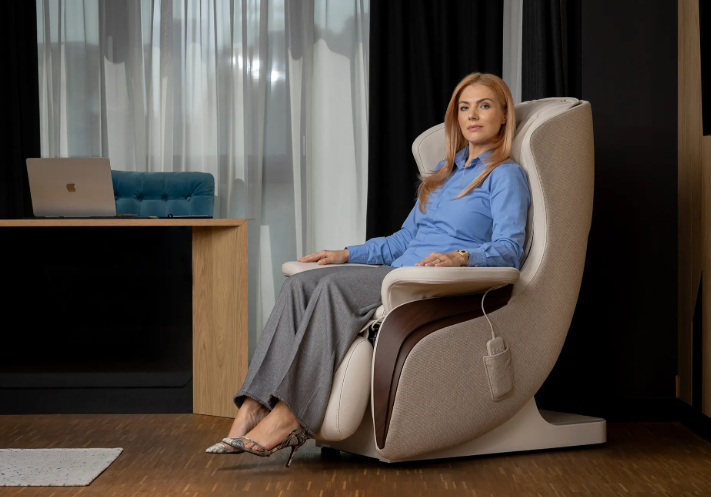
Multifunctional furniture is not just practical. It also affects how spaces feel emotionally.
A rigid setup can make a room feel predictable and fixed. Flexible furniture introduces variety and change, which makes the environment feel more dynamic.
When furniture can adapt, the room doesn’t feel locked into one mood. It can shift from social to quiet, from active to relaxed, without needing a redesign.
This emotional flexibility is one of the reasons multifunctional design is becoming more popular in modern homes.
Why This Trend Wasn’t Recognized Earlier
Five years ago, multifunctional furniture existed, but it wasn’t mainstream. It was often seen as niche or experimental.
Part of the reason is that homes were still largely designed around traditional layouts. Furniture was expected to fit into predefined roles, not change them.
But as living spaces became more compact and multi-use environments became normal, the demand for flexibility increased.
What was once seen as optional has now become necessary in many cases.
The Subtle Shift in Design Priorities
Modern furniture design is no longer just about aesthetics or durability. Functionality has expanded into adaptability.
Instead of asking how a piece looks in a room, designers are now asking how it behaves across different situations.
This shift has quietly redefined what “good design” means. It is no longer about a single perfect setup, but about how well something adjusts over time.
Furniture is being judged not just by appearance, but by responsiveness.
Blending Function Without Visual Complexity
One of the challenges in multifunctional design is maintaining simplicity. When furniture serves multiple roles, it can easily become visually complicated.
The newer generation of designs solves this by hiding complexity within clean surfaces. Mechanisms are concealed. Storage is integrated seamlessly. Transformations are smooth and subtle.
The goal is to make multifunctionality feel effortless rather than mechanical.
From the outside, the furniture still looks simple. Its complexity only appears when it is used.
The Future Direction of Living Room Design
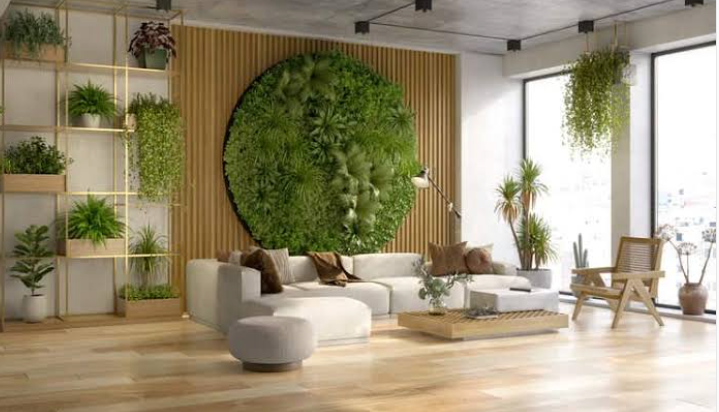
As multifunctional furniture continues to evolve, living rooms will likely become more fluid in structure. Fixed arrangements may become less common, replaced by adaptable systems that shift based on daily needs.
Furniture will play a larger role in defining space behavior rather than just filling it. Rooms will become less about permanent layout and more about temporary configurations.
This doesn’t remove design structure. It changes how structure is created.
Instead of walls and fixed zones, flexibility becomes the main organizing principle.