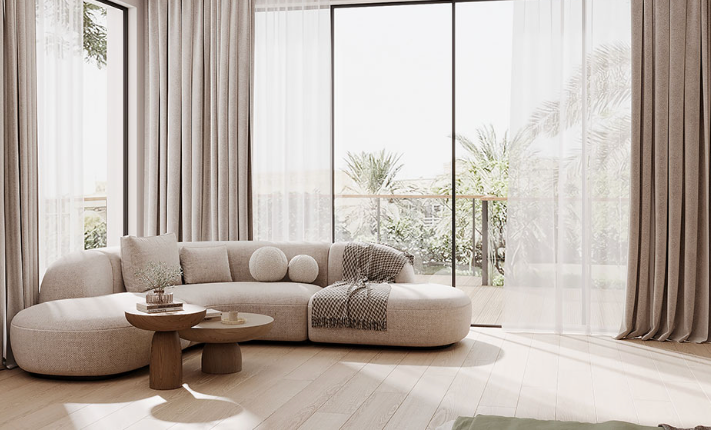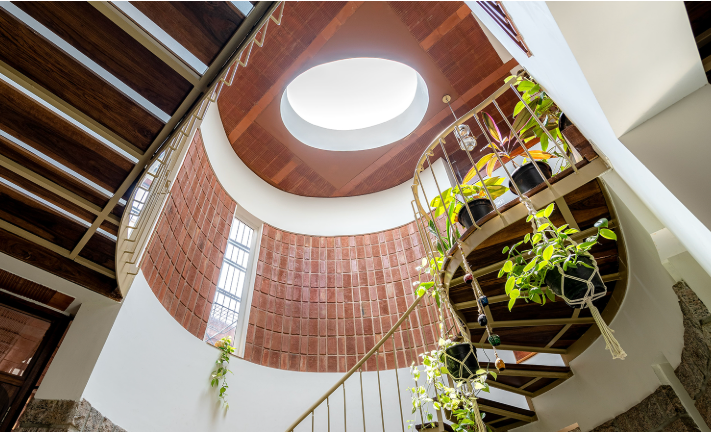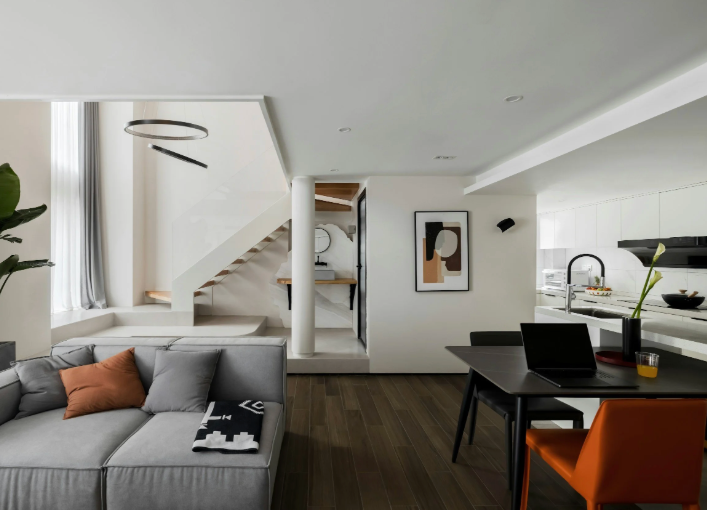
Homes have become faster in how they’re used, even if they’re supposed to be the opposite of fast. Work follows people inside. Notifications never stop. Even rest often feels scheduled instead of natural. In that environment, something quiet has started appearing in modern interiors.
It’s not a renovation trend or a furniture style. It’s a shift in behavior inside the home. People are carving out small “slow living corners” in their spaces. Not rooms. Not full zones. Just corners that are intentionally removed from urgency.
These areas are simple, but the impact they create inside a home is surprisingly noticeable.
What a Slow Living Corner Actually Is
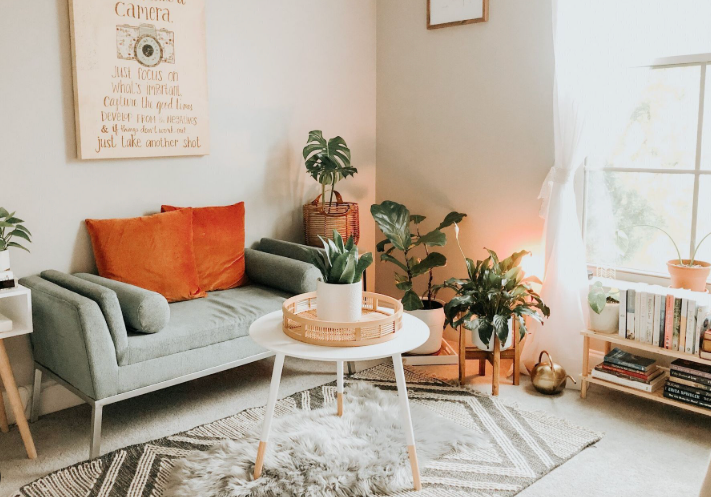
A slow living corner is not defined by size or cost. It’s defined by intention. It’s a small area in a home that is separated from high activity, even if nothing physically separates it.
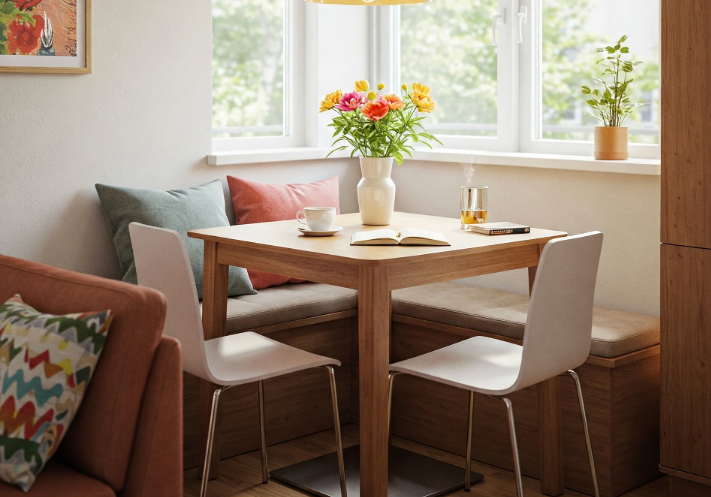
It might be a chair near a window, a quiet reading spot, a soft-lit corner with minimal objects, or even a small section of a bedroom or living room that is kept visually calm.
The key idea is that nothing about the space pushes action. It doesn’t demand productivity, attention, or multitasking. It simply exists as a place where time feels less structured.
Why Modern Homes Need Slower Spaces
Most modern homes are built for efficiency. Every corner tends to have a purpose. A dining table becomes a workspace. A sofa becomes an entertainment hub. A kitchen counter becomes a temporary office.
This constant overlap of functions removes mental separation between activity and rest. Even when people are physically at home, their environment keeps signaling movement and tasks.
Slow living corners appear as a response to that overload. They create small pockets where nothing is expected. No output, no organization, no switching between roles.
It’s not about having more space. It’s about reducing mental pressure inside the space already available.
The Psychology Behind “Slowing Down” a Space
The feeling of slowing down in a room has less to do with furniture and more to do with visual and sensory input.
When a space is filled with multiple functions and objects competing for attention, the mind stays alert. It scans, processes, and shifts focus continuously.
A slow living corner reduces that load. Fewer objects, softer textures, controlled lighting, and less visual movement all contribute to a lower cognitive demand.
The result is subtle but real. The brain stops interpreting the space as something that needs action and starts treating it as a place of pause.
The Role of Placement and Isolation Without Walls
Slow living corners don’t rely on separation through construction. They rely on positioning.
A corner slightly away from the main seating area. A chair angled toward a window instead of the room. A small rug that defines a quiet zone. A shelf or plant that subtly breaks visual flow.
These elements don’t block the room. They just reduce its intensity in that specific area.
This is important because the goal is not isolation from the home, but reduction of stimulation within it.
Natural Light as a Core Element
One of the strongest features in most slow living corners is natural light.
Corners near windows tend to feel more grounded because they follow natural rhythm. Light changes throughout the day without effort, which removes the need for artificial stimulation.
Morning light creates alert calmness. Afternoon light feels steady and warm. Evening light naturally slows perception of time.
This changing quality of light is one of the reasons these corners feel emotionally different from the rest of the home.
Why People Are Choosing Simplicity Over Decoration
Slow living corners are not heavily decorated spaces. In fact, decoration is often minimal.
The focus is not visual richness but emotional quietness. Too many objects or strong visual elements can break the sense of pause.
Instead, people are choosing single-purpose simplicity. One chair instead of a seating set. One lamp instead of layered lighting. One plant instead of multiple decor pieces.
This reduction is not about minimalism as a style. It’s about reducing mental noise.
The Connection Between Routine and Space
Slow living corners often become tied to personal routines, but in a different way than workspaces or functional areas.
They are not built around productivity habits. They are built around pause habits.
Sitting without a device. Thinking without distraction. Reading without interruption. Or simply being in a space without doing anything specific.
Over time, the mind starts associating that corner with a slower internal pace, which reinforces its purpose naturally.
Why These Corners Work Better Than Entire Rooms
Not every home has the ability to dedicate a full room to relaxation or quietness. Even when that is possible, it is often underused or repurposed for other needs.
A slow living corner solves this differently. It fits into existing space without requiring structural change.
Because it is small and intentional, it is also easier to maintain. It doesn’t compete with other functions of the home. It exists alongside them.
This makes it more practical and more consistently used.
The Importance of Sensory Reduction
Slow living corners are not just visually simpler. They are also sensorially softer.
This includes quieter surroundings, softer materials, reduced screen presence, and less constant movement nearby.
Fabric textures replace hard surfaces. Warm lighting replaces bright overhead sources. Stillness replaces background activity.
These changes work together to reduce sensory input, which helps the body shift into a calmer state more easily.
How They Change the Flow of the Entire Home
Even though slow living corners are small, they affect how the entire home feels.
When one area is consistently calm, it changes the contrast of surrounding spaces. Busy areas feel more active, but also more balanced because there is a reference point for rest.
This contrast creates rhythm inside the home. Without it, every area feels the same level of intensity.
In a way, the slow corner becomes a quiet anchor that stabilizes the emotional tone of the entire space.
The Shift Away From Constant-Use Spaces
In the past, every part of a home was expected to be used regularly. Empty space was often seen as wasted space.
Now, there is a growing acceptance that not every area needs constant function. Some spaces can exist for presence rather than use.
Slow living corners reflect this shift clearly. Their value is not measured by activity but by how they change the feeling of time inside the home.
They don’t need to be used constantly to be meaningful.
Why This Trend Is Growing Quietly
Slow living corners are not heavily marketed or packaged as a design movement. They are emerging through behavior rather than branding.
People are creating them naturally as a response to overstimulated living environments. There is no strict formula, which makes the idea flexible and personal.
Each corner looks different depending on the home, but the purpose remains similar: a controlled pause inside daily life.
This quiet evolution is why the trend feels less like a trend and more like a gradual shift in how homes are experienced.
Slow living corners are not about changing how homes are built. They are about changing how homes are felt.
They introduce a small but powerful idea that not every part of a home needs to be active, functional, or optimized. Some parts can simply exist to reduce speed.
In a world where everything feels constantly connected and responsive, these small areas create something rare. A place where nothing is required, and that alone changes the entire rhythm of a home.