
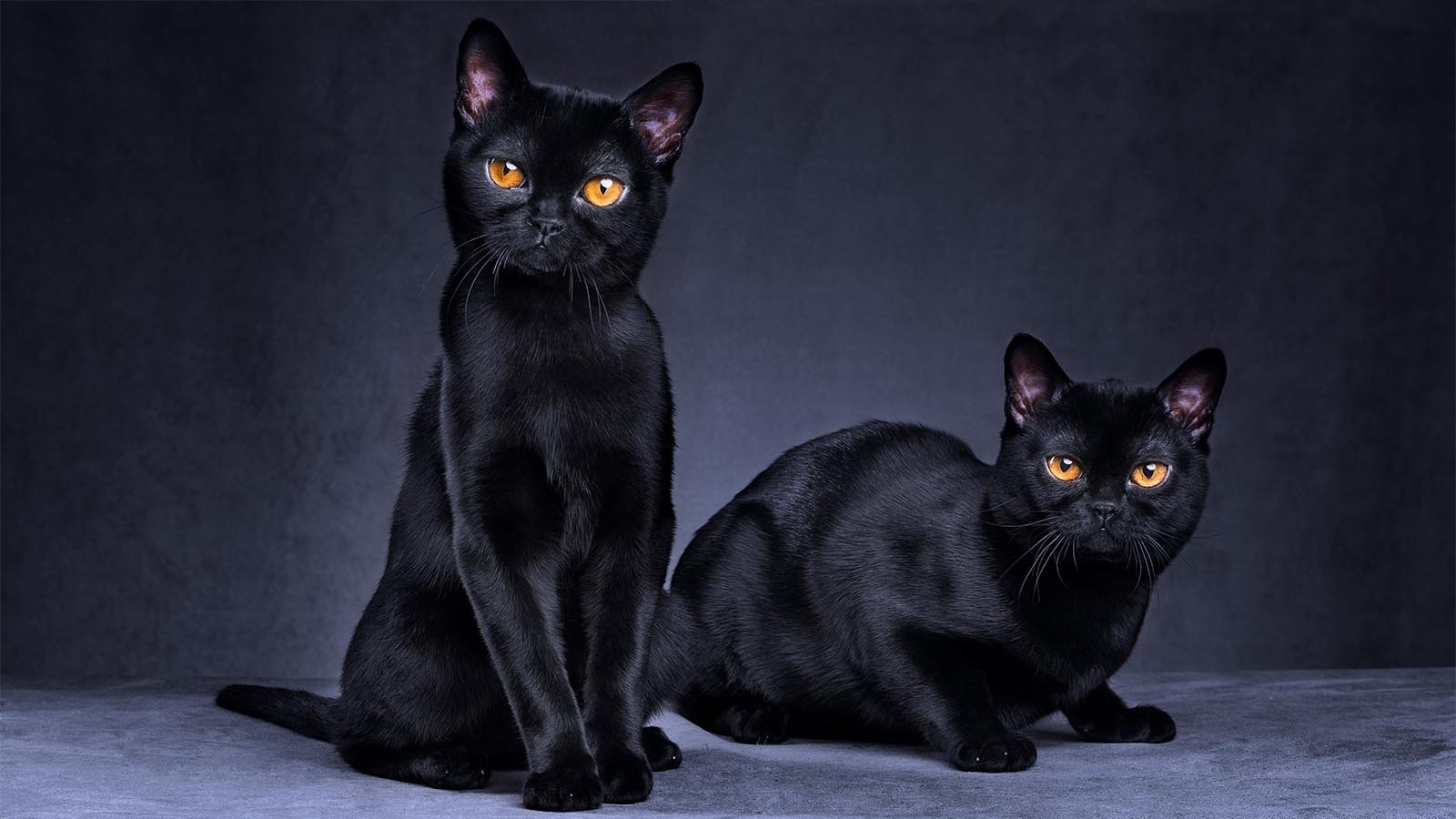
Black cats have inspired curiosity, admiration, fear, and superstition for centuries. In some places, they are associated with witchcraft and misfortune, while in others, they are considered symbols of prosperity, protection, and good fortune. These contrasting beliefs show how the same animal can acquire very different meanings depending on the stories, religious traditions, and historical experiences of a community. The idea that a black cat crossing someone’s path brings bad luck remains familiar in popular culture, particularly around Halloween, yet the superstition has never been universal. Understanding its origins requires looking at ancient beliefs about animals, medieval European folklore, changing religious attitudes, and the influence of literature and entertainment. Behind the familiar superstition is a much more complicated history of how people have interpreted the natural world.
Ancient Associations Between Cats and Mystery
Cats have lived alongside humans for thousands of years, and their independent behavior has contributed to their mysterious reputation. Unlike many domesticated animals, cats often move quietly, become active at night, and appear comfortable in darkness. Their reflective eyes can also look unusual when light reaches them in dim surroundings. Before modern scientific explanations became widely available, such characteristics sometimes encouraged imaginative interpretations. People could see cats moving silently through dark streets or fields and connect their behavior with supernatural forces. However, ancient societies did not all view cats negatively. In ancient Egypt, cats were respected animals and were associated with protection, household life, and religious symbolism. The goddess Bastet was often depicted with feline features and became connected with protection, fertility, and domestic well-being. This positive history demonstrates that a black coat did not automatically make a cat an omen of misfortune in every ancient culture.
How Medieval European Beliefs Changed the Image of Black Cats
During parts of medieval and early modern Europe, black cats became increasingly associated with supernatural beliefs, although attitudes varied considerably between regions and periods. Cats were familiar household animals, but their nighttime activity and independent nature could make them seem mysterious to people who already believed that dangerous forces operated in secret. In some communities, stories developed linking black cats with witches or supernatural companions. These ideas became more influential during periods when accusations of witchcraft created fear and suspicion. A person who owned a cat, especially one with an unusual appearance or behavior, could become the subject of gossip or unfounded accusations. It is important not to assume that every European community shared the same beliefs or that all black cats were treated as dangerous. Their reputation developed through a mixture of local folklore, religious anxiety, popular storytelling, and changing social attitudes.
The Connection Between Black Cats and Witchcraft
The association between black cats and witches is one of the most recognizable elements of Western folklore. In some historical stories, a witch was believed to keep an animal companion that could assist with magical activities or act as a supernatural messenger. Cats became prominent in these tales partly because they were common, independent, and often active at night. Their ability to move through small openings and appear unexpectedly made them useful characters in frightening stories. During periods of witchcraft persecution, such beliefs could have serious consequences for both people and animals. Yet the familiar image of every witch accompanied by a black cat is partly the result of later storytelling, illustrations, theatre, and popular entertainment. Historical beliefs were more varied than modern Halloween imagery suggests, and there is no reliable evidence that black cats possess supernatural abilities or are naturally connected with witchcraft.
Why a Black Cat Crossing Your Path Is Considered Unlucky
The superstition about a black cat crossing someone’s path is especially familiar in several Western countries. According to the popular belief, encountering a black cat moving across a person’s route may signal that something unfortunate will happen. Different versions of the superstition describe different consequences, and even the direction in which the cat travels may be given symbolic importance in some local traditions. These variations show that the belief developed through folklore rather than a consistent system of evidence. Humans naturally notice events that occur close together, especially when something surprising or emotionally significant happens. If a person sees a black cat and later experiences a problem, they may remember the coincidence and connect the two events. If nothing happens, the encounter is likely to be forgotten. This tendency can help explain why superstitions survive even when there is no dependable evidence supporting them.
Black Cats in British and European Folklore
British folklore contains a mixture of positive and negative beliefs about black cats. In some traditions, they were considered lucky companions, particularly in households where cats were associated with prosperity and domestic comfort. Sailors and their families also developed beliefs about cats and maritime life, with some communities regarding shipboard cats as useful or fortunate animals. Other traditions treated a black cat crossing a person’s path as an unfavorable sign. Similar contradictions appeared across Europe, where the meaning of a cat could depend on local custom, the historical period, and the story being told. It is therefore misleading to describe European culture as having one universal opinion about black cats. Folklore changes as stories travel between communities, and a symbol that creates fear in one place may represent protection or good fortune somewhere else.
Why Black Cats Are Considered Lucky in Some Cultures
Not every culture associates black cats with misfortune. In Japanese popular culture, cats are often connected with good fortune, and black cats may be viewed positively in certain local beliefs. Their symbolism can include protection, good luck, or favorable romantic prospects, although interpretations differ. In parts of British folklore, a black cat entering a home has also been regarded as a fortunate sign. These examples reveal how cultural expectations influence the meaning attached to an animal. A cat’s dark coat may seem mysterious to one community but elegant, protective, or auspicious to another. Positive beliefs can become part of family traditions and local storytelling just as easily as frightening ones. When comparing these customs, it is useful to avoid broad claims about entire countries because beliefs can differ between regions, generations, and individuals.
The Role of Literature, Theatre, and Halloween
Modern images of black cats owe much to popular entertainment. Gothic literature, ghost stories, stage performances, cartoons, and horror films have repeatedly used black cats to create an atmosphere of suspense. Their dark fur stands out against pale backgrounds, and their reflective eyes make them visually effective in scenes involving nighttime mystery. Halloween decorations have further strengthened the association between black cats, witches, haunted houses, and supernatural danger. These images are easy to recognize, which makes them useful symbols for advertising and entertainment. However, repetition can make an invented or exaggerated association seem older and more universal than it really is. Many modern portrayals draw on historical superstitions but reshape them for dramatic effect. The result is a familiar cultural image that continues to influence how people think about black cats.
How Superstitions Influence the Treatment of Animals
Although black cat superstitions may seem harmless when discussed as entertainment, they can influence real attitudes toward animals. Negative myths may contribute to fear, neglect, or unfair treatment, particularly when people assume that an animal’s appearance predicts danger. Animal shelters in some places have also reported concerns about black cats being overlooked by potential adopters, although the scale of this problem varies by location and period. A cat’s temperament, health, and behavior are much more meaningful considerations than the color of its fur. Black cats can be affectionate, playful, cautious, energetic, or independent, just like cats of other colors. Learning about the history of these beliefs can help people separate cultural storytelling from responsible animal care and encourage decisions based on evidence rather than fear.
Why People Continue to Believe in Omens
Superstitions can survive because people often seek patterns in uncertain situations. When life feels unpredictable, an omen may seem to provide an explanation for events that otherwise appear random. Family stories and community traditions can also make a belief feel familiar and trustworthy. A person may follow a superstition without strongly believing in it simply because it is part of a cultural habit. In other cases, a frightening story can create an emotional response even when someone understands that there is no evidence supporting it. Black cats are particularly effective symbols because they are real animals with distinctive appearances and long histories in human communities. Their cultural meaning has been reinforced by stories for generations, but repetition alone does not establish that a superstition is true.
Conclusion
The belief that black cats bring bad luck developed through a complicated mixture of folklore, historical fears, religious associations, and popular entertainment. While some European traditions linked them with witches and misfortune, other cultures regarded cats as symbols of protection or good fortune. Ancient Egyptian reverence for feline imagery and positive beliefs found in parts of Japan and Britain demonstrate that black cats have never carried one universal meaning. Modern Halloween imagery continues to promote the unlucky-cat stereotype, but cultural familiarity should not be confused with evidence. By exploring the history behind these stories, readers can appreciate their place in folklore while treating black cats as ordinary animals deserving the same care and kindness as any other cat.