
Astrology offers several ways to interpret a birth chart, and the twelve houses are among its most important components. While zodiac signs are commonly associated with personality traits and planets represent different symbolic influences, houses are traditionally used to describe the areas of life connected with those symbols. They provide a framework for discussing subjects such as identity, money, communication, family, relationships, career, friendships, and personal growth.
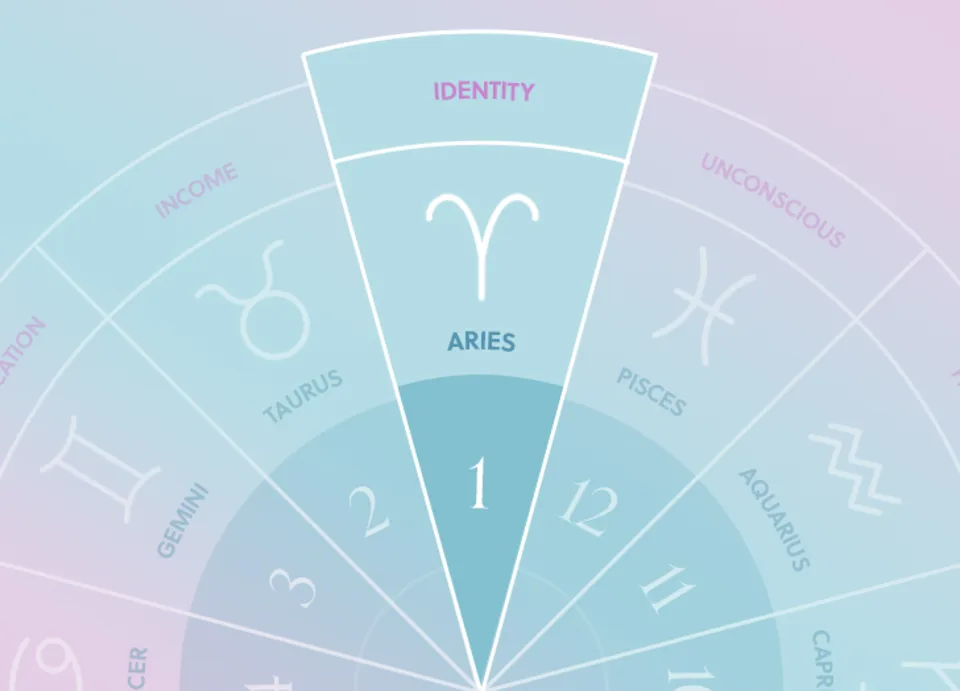
For beginners, understanding the twelve houses can make astrology easier to follow. Instead of viewing a birth chart as a confusing collection of symbols, readers can learn how each section contributes to an astrological interpretation. Although different astrological traditions use houses in slightly different ways, the twelve-house system is widely recognized in Western astrology. Exploring its meaning can offer insight into how astrologers organize their interpretations while keeping in mind that these symbolic associations are not scientifically established predictions of human behavior or future events.
What Are the Twelve Houses in Astrology?
The twelve houses are divisions of an astrological birth chart. Astrologers use a person’s birth date, birth time, and birthplace to calculate a chart showing the positions of celestial bodies and the arrangement of the houses. Each house is traditionally associated with a particular area of life, from personal identity to broader social connections and questions of meaning.
Houses are different from zodiac signs. The zodiac consists of twelve signs, each with its own traditional symbolism, while the houses represent twelve sections of the chart associated with life experiences. Planets, signs, and houses are interpreted together to create a more detailed reading.
For example, an astrologer might consider which zodiac sign occupies a particular house, whether any planets appear there, and how those planets relate to other chart placements. The interpretation depends on the astrological system being used, so two astrologers may approach the same chart differently.
The exact arrangement of houses can also depend on the house system selected. Some systems divide the chart into twelve equal sections, while others use calculations based on astronomical positions and geographical location. This is one reason a precise birth time can be important for a traditional astrological reading.
First House Meaning and Personal Identity
The first house is traditionally associated with identity, appearance, self-expression, and the way a person approaches new experiences. It begins at the Ascendant, also called the rising sign, which represents the zodiac sign rising over the eastern horizon at the time and place of birth.
Astrologers often interpret the first house as a symbol of how someone presents themselves to the world. Its themes may include personal confidence, independence, physical presence, and the initial impression someone makes during an encounter.
For example, an astrologer might discuss the first house when interpreting a person’s approach to unfamiliar situations or their preferred way of expressing individuality. However, appearance and personality are influenced by many factors, and a house placement cannot scientifically determine how someone behaves.
The first house also provides the starting point for understanding the rest of the chart. Its position establishes the sequence of the twelve houses and influences how astrologers interpret their relationship to different life subjects.
Second House Meaning and Personal Resources
The second house is traditionally connected with money, possessions, personal resources, values, and material security. Astrologers use it to explore symbolic ideas about earning, spending, saving, and the things people consider important in their lives.
This house extends beyond financial wealth. It can also represent personal abilities, practical skills, and the sense of stability someone develops through their resources. In an astrological interpretation, it may raise questions about what creates a feeling of security and how a person values their own abilities.
For instance, an astrologer might associate the second house with attitudes toward budgeting or the importance of financial independence. These associations should not be treated as reliable financial predictions. Real financial outcomes depend on income, expenses, economic conditions, knowledge, and decisions.
The second house can be a starting point for reflecting on the relationship between money and personal priorities. Building financial stability, however, requires practical planning rather than relying on astrological symbolism.
Third House Meaning and Communication
The third house represents communication, learning, everyday interactions, and the exchange of information in traditional Western astrology. It is commonly associated with writing, speaking, reading, short journeys, and connections with siblings or people in one’s immediate environment.
Astrologers may examine this house when discussing how someone approaches learning or expresses ideas. It can also be used to explore curiosity, everyday problem-solving, and the influence of the surrounding community.
For example, an astrological interpretation might connect the third house with a person’s interest in learning new subjects or staying connected with relatives and neighbors. These themes are symbolic and do not establish someone’s actual communication abilities.
In everyday life, strong communication develops through listening, asking clear questions, practicing new skills, and respecting different viewpoints. The third house provides an astrological category for discussing these topics, rather than a scientific measurement of intelligence or educational potential.
Fourth House Meaning and Home Life
The fourth house is traditionally associated with home, family, ancestry, emotional foundations, and private life. It is often interpreted as representing the environment in which a person seeks comfort and the experiences that shape their sense of belonging.
Astrologers may connect this house with family traditions, childhood memories, domestic responsibilities, or the desire to create a stable home. It can also symbolize the private side of life that is not always visible to others.
For example, a reading might explore whether home and family traditions are important themes within a person’s symbolic chart. Such interpretations cannot reliably reveal someone’s childhood experiences or determine the quality of their family relationships.
A supportive home environment can be meaningful for emotional well-being, but it develops through safety, care, communication, and healthy boundaries. Those real-world factors matter far more than a house placement.
Fifth House Meaning and Creativity
The fifth house is traditionally connected with creativity, romance, enjoyment, hobbies, and playful self-expression. It represents activities that allow people to explore their interests, share their talents, and experience pleasure.
Astrologers may associate this house with artistic pursuits, entertainment, dating, and the joy of creating something original. It is also linked with children in many traditional interpretations, although specific meanings can vary between astrological systems.
For example, the fifth house might be discussed when interpreting a person’s interest in music, painting, performance, or recreational activities. However, creativity is a skill that can develop through practice and experience, and astrology does not establish whether someone will become a successful artist.
This house encourages reflection on the activities that bring enjoyment and allow individuality to flourish. Making time for hobbies and creative exploration can add variety and satisfaction to everyday life.
Sixth House Meaning and Daily Responsibilities
The sixth house is associated with routines, work habits, service, practical responsibilities, and everyday organization. Traditional astrology often uses it to discuss the tasks that keep life functioning, including employment routines and the management of daily commitments.
Astrologers may interpret the sixth house as representing a person’s approach to discipline, helpfulness, and the structure of everyday activities. Some interpretations also connect it with health-related routines and personal maintenance.
For instance, an astrologer might use this house to discuss the importance of consistent habits or the balance between work and rest. It cannot diagnose medical conditions, predict illnesses, or replace professional healthcare advice.
Practical routines can support well-being when they are suited to a person’s circumstances. Organizing tasks, taking appropriate breaks, maintaining healthy habits, and seeking professional guidance when needed are useful regardless of astrological beliefs.
Seventh House Meaning and Partnerships
The seventh house is traditionally associated with partnerships, marriage, committed relationships, and agreements between individuals. It is often interpreted in relation to the qualities people seek in close connections and the ways they cooperate with others.
This house can also include business partnerships, contracts, and other relationships involving shared responsibilities. Astrologers may compare the seventh house with the first house because the two represent the self and the other within the symbolic structure of a birth chart.
For example, an astrologer might use the seventh house to discuss themes of cooperation, fairness, or commitment. However, it cannot reliably identify a future spouse or predict when a relationship will begin or end.
Healthy partnerships depend on mutual respect, honest communication, shared expectations, and the ability to work through disagreements. These qualities are developed through behavior and experience rather than guaranteed by planetary positions.
Eighth House Meaning and Shared Resources
The eighth house is traditionally connected with shared finances, inheritance, debts, intimacy, transformation, and subjects involving change or uncertainty. Its symbolism often focuses on experiences that require trust, cooperation, or a reconsideration of personal priorities.
Astrologers may examine this house when discussing joint financial arrangements, emotional vulnerability, or the process of moving through major life transitions. Some traditions also associate it with mysteries and deeper psychological themes.
For example, the eighth house might appear in an interpretation involving shared financial responsibilities or the importance of trust in a close relationship. Such a reading cannot predict an inheritance, guarantee financial gains, or establish what a person will experience during a difficult period.
Shared resources require careful agreements, accurate information, and responsible planning. When financial or legal matters are involved, qualified professional advice is more dependable than an astrological interpretation.
Ninth House Meaning and Broader Understanding
The ninth house is associated with higher education, philosophy, spirituality, travel, and the search for meaning. It traditionally represents the desire to look beyond familiar surroundings and explore different ideas, cultures, and systems of belief.
Astrologers may interpret this house in relation to university study, international experiences, religious or philosophical inquiry, and personal development through learning. It can also symbolize a broader outlook on life.
For example, an interpretation might connect the ninth house with curiosity about other cultures or an interest in studying complex subjects. It cannot establish academic success or predict whether a journey will be successful.
Learning about different perspectives can help people develop a more informed understanding of the world. Travel, reading, education, and respectful discussion provide practical ways to explore the themes traditionally associated with this house.
Tenth House Meaning and Career
The tenth house is traditionally associated with career, reputation, public responsibilities, achievement, and long-term ambitions. In many Western astrological systems, it is closely connected with the Midheaven, a chart angle associated with public life and professional direction.
Astrologers may examine this house when interpreting ambitions, leadership, public recognition, and the type of contribution someone hopes to make. It can also be used to discuss responsibilities and how an individual wishes to be recognized by others.
For example, an astrologer might associate the tenth house with an interest in leadership or a desire to build a respected professional reputation. Such interpretations do not reliably identify the right career or predict promotions and professional success.
Career development depends on skills, experience, opportunity, effort, and changing circumstances. Exploring interests, seeking feedback, and developing relevant qualifications are practical ways to make progress toward professional goals.
Eleventh House Meaning and Friendships
The eleventh house is traditionally linked with friendships, communities, social networks, group activities, and future aspirations. It represents connections that extend beyond close family relationships and the ways people participate in shared causes or collective projects.
Astrologers may use this house to discuss belonging, cooperation, community involvement, and the hopes someone has for the future. It is also associated with groups that share similar interests or ideals.
For instance, the eleventh house might be interpreted in relation to a person’s involvement in a community organization or interest in collaborative projects. It cannot reliably determine how many friends someone will have or whether a particular group will provide lasting support.
Strong communities are built through trust, shared effort, consideration, and meaningful participation. Friendships and social connections can grow when people respect one another and contribute positively to their relationships.
Twelfth House Meaning and Inner Reflection
The twelfth house is traditionally associated with solitude, reflection, hidden matters, the subconscious, and experiences that occur away from public attention. In some astrological traditions, it is connected with spirituality, retreat, compassion, and the need to step back from everyday demands.
Astrologers may interpret this house as representing private concerns, personal reflection, or the desire to understand aspects of life that are not immediately obvious. Its symbolism can also include closure and the process of letting go.
For example, an interpretation might emphasize the value of quiet time or reflection during a demanding period. However, the twelfth house cannot diagnose mental health conditions or establish that someone has hidden problems.
Quiet reflection can help people organize their thoughts, recognize emotional needs, and evaluate personal experiences. When someone faces persistent emotional difficulties, appropriate support from qualified professionals is more useful than attempting to explain those experiences through a birth chart.
How the Twelve Houses Work Together
Although each house has its own traditional meaning, astrologers generally interpret them as connected parts of a larger system. A birth chart is not usually understood by examining one house in isolation. Instead, astrologers consider the planets, zodiac signs, house placements, and relationships between different chart elements.
For example, the second house concerns personal resources, while the eighth house concerns shared resources. The first house focuses on individual identity, while the seventh house addresses partnerships. The fourth house is associated with home and private foundations, whereas the tenth house represents public responsibilities and ambitions.
These relationships help astrologers organize their interpretations and explain how different life themes can be considered together. However, the connections are part of an astrological framework rather than scientifically proven relationships between planetary positions and personal outcomes.
Beginners can start by learning one house at a time and gradually exploring how astrologers combine the different components. This approach makes birth charts easier to understand without requiring advanced knowledge from the beginning.
Final Thoughts
The twelve houses provide a traditional framework for exploring different areas of life through astrology. From identity and communication to relationships, career, friendships, and personal reflection, each house has a distinct symbolic role within a birth chart. Learning these meanings can help beginners understand horoscopes and follow the reasoning used in astrological readings.
It is equally important to maintain a balanced perspective. Astrology has a long cultural history and remains meaningful to many people, but scientific evidence does not establish that the houses determine personality, predict future events, or control life outcomes. Their interpretations are best understood as symbolic traditions rather than factual assessments.
Whether you are exploring astrology out of curiosity or studying birth charts in greater detail, begin with the basic meanings and examine how different interpretations are constructed. Keeping an open mind while relying on real-world evidence for important decisions allows you to explore the twelve houses thoughtfully and develop a clearer understanding of this longstanding astrological system.