
Whistling is an ordinary human activity that can communicate a tune, attract attention, or fill a quiet moment with sound. Yet in some cultures, whistling after dark is surrounded by warnings about spirits, dangerous visitors, or unwanted supernatural attention. These stories have been passed through families and communities for generations, and their explanations differ from place to place. In one tradition, a nighttime whistle may be said to attract a wandering spirit. In another, it may be associated with calling something dangerous from the darkness. Such beliefs are part of a broader collection of folklore that treats nighttime as a period when ordinary rules seem less certain. Exploring these stories reveals how people have used sound, darkness, and supernatural characters to express concerns about safety, respect, and the unknown.
Why Nighttime Has Such a Strong Place in Folklore
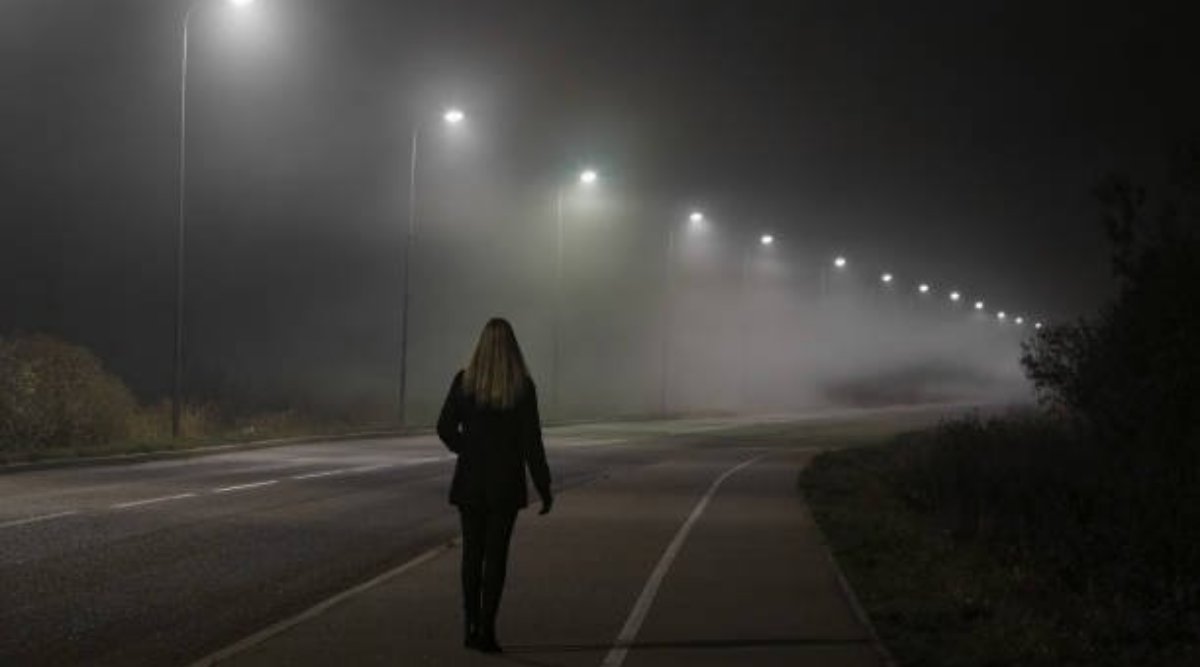
Darkness has influenced storytelling because it changes how people experience familiar surroundings. Before widespread electric lighting, nighttime often limited visibility and made it harder to identify distant sounds, moving animals, or unfamiliar visitors. A noise that seemed ordinary during the day could feel unsettling after sunset, especially in forests, rural settlements, or quiet streets. Folktales developed within these environments and often used darkness as a setting for encounters with spirits, mysterious creatures, or unexpected dangers. A warning against whistling at night could therefore function as more than a supernatural claim. It could encourage children to remain close to home, avoid wandering alone, or take nighttime surroundings seriously. Over time, practical concerns and imaginative explanations became connected, allowing a simple sound to acquire a mysterious reputation.
The Belief That Whistling Attracts Spirits
One common explanation in nighttime whistling folklore is that a whistle can attract spirits or other unseen beings. The idea appears in different forms across various communities, although the details are not identical. A sharp whistle carries through quiet surroundings and can sound as though someone is calling to an unseen listener. In a traditional worldview where spirits are believed to move through the world alongside humans, this sound may be interpreted as an invitation or signal. Some stories warn that whistling could attract an unwanted presence, while others suggest that it might disturb beings that should be left alone. These narratives rely on cultural beliefs about the relationship between sound and the unseen world. They should be understood as folklore rather than evidence that whistling can summon supernatural entities.
Nighttime Whistling in Caribbean Folklore
Some Caribbean folklore includes warnings about whistling after dark, particularly in stories involving spirits or mysterious figures. The details vary across islands and communities, reflecting the region’s diverse cultural history and the influence of African, European, Indigenous, and other traditions. In some accounts, whistling is associated with attracting an unwanted presence or drawing attention from something that should remain undisturbed. The warning may be delivered to children as a simple household rule, while its supernatural explanation makes the lesson more memorable. It would be inaccurate to describe every Caribbean community as sharing one belief, because local stories can differ considerably. Nevertheless, nighttime whistling provides an example of how folklore can turn an ordinary behavior into a symbolic boundary between safe, familiar spaces and the unknown world beyond them.
Whistling and Spirits in African Folklore
Across parts of Africa, oral traditions include many different beliefs about sound, spirits, and nighttime behavior. Some local stories discourage whistling after dark because it may be interpreted as calling spirits or attracting unwanted attention. However, Africa contains a vast range of languages, religions, and cultural traditions, so no single explanation applies to the entire continent. Whistling may have different social meanings depending on the community, setting, and purpose. In some contexts, whistles can communicate practical information, while in others they may be associated with particular rituals or warnings. The supernatural interpretation of nighttime whistling should therefore be connected to specific local accounts rather than presented as a universal African belief. This diversity is one of the most important considerations when researching folklore from a large and culturally varied region.
The Difference Between Daytime and Nighttime Whistling
Why would a sound considered harmless during the day become troubling after dark? Folklore often treats nighttime as a special period because reduced visibility creates uncertainty. During daylight, a person can usually see the source of a sound, identify nearby people, and understand the surroundings more easily. At night, a whistle may travel across an empty street or through trees without revealing who produced it. This uncertainty creates room for stories about unseen listeners and mysterious responses. Nighttime also traditionally marked a period when people were expected to remain indoors or avoid unnecessary travel. A prohibition against whistling could reinforce that boundary by discouraging behavior that might attract attention. The belief combines the physical experience of sound in darkness with the imaginative possibilities of traditional storytelling.
Whistling as a Signal in Rural Communities
Whistling has practical uses that may help explain why it appears in so many folktales. People have used whistles to communicate over distance, call animals, signal companions, or make their presence known. In a quiet rural environment, a whistle can carry farther than ordinary speech, particularly when there is little background noise. That makes it useful, but it can also attract attention from people or animals nearby. A nighttime warning might therefore have developed partly from concerns about privacy and safety. Whistling could reveal a person’s location or disturb others who were sleeping. In places where strangers were treated cautiously after dark, a sound from outside might be interpreted as suspicious. Folklore can preserve these practical lessons while expressing them through supernatural explanations that are memorable and emotionally powerful.
The Mysterious Whistle in Latin American Stories
Latin American folklore includes a variety of stories about mysterious nighttime sounds, wandering figures, and spirits associated with rural roads or isolated landscapes. Some regional legends feature frightening whistles that signal the approach of a supernatural figure or create uncertainty about where a sound originates. One widely discussed example is El Silbón, a figure from Venezuelan and Colombian folklore whose name is associated with whistling. Stories about this character vary, but the whistle is often part of the frightening atmosphere surrounding the legend. El Silbón should not be treated as proof that ordinary whistling attracts spirits. Instead, the story illustrates how a familiar sound can become a warning sign within a particular narrative tradition. Similar motifs may appear elsewhere without sharing exactly the same origin or meaning.
How Folktales Teach Children About Safety
Many supernatural warnings have a practical role in childhood education. Adults may use frightening stories to discourage children from wandering outside alone, approaching dangerous locations, or disturbing others at night. A simple instruction such as avoiding whistling after dark can be easier to remember when connected with a mysterious consequence. This does not mean that every folktale was deliberately invented to control behavior. Stories develop through many generations, and their purposes can change over time. A tale originally connected with a particular local concern may later become a family tradition repeated for entertainment. Children may remember the frightening character even after they forget the practical lesson behind the warning. In this way, folklore can preserve social expectations while also reflecting a community’s imagination and beliefs.
Sound, Fear, and the Human Imagination
Human beings naturally try to identify the source of unfamiliar sounds. When the source is hidden, the mind may generate explanations based on past experiences, expectations, and cultural stories. A whistle heard from a distance can seem unusual because its tone is clear while its origin remains uncertain. If a person already knows a story about a dangerous nighttime spirit, that memory may influence how the sound is interpreted. This is one reason supernatural legends can feel especially convincing in the settings they describe. The experience itself may be real, even though the supernatural explanation remains unverified. Folklore provides a shared language for discussing fear and uncertainty, allowing communities to turn confusing experiences into narratives that can be repeated, remembered, and adapted.
Why the Superstition Continues Today
Modern technology has changed nighttime life, but older superstitions continue through family stories, social media, horror films, and online discussions. Some people follow the warning playfully, avoiding nighttime whistling because they grew up hearing that it was unlucky. Others enjoy the stories as part of their cultural heritage without believing in supernatural consequences. Short videos and horror content can also introduce regional legends to audiences who have never encountered them before. As these stories travel, details may change or become exaggerated for dramatic effect. A warning that once belonged to a particular community may be presented online as a universal rule. Readers should therefore consider the source of a story and distinguish a documented local tradition from a modern retelling created mainly for entertainment.
Folklore and Respect for Cultural Differences
Nighttime whistling stories demonstrate how the same action can have different meanings across cultures. A whistle may be a casual tune in one setting, a practical signal in another, and a behavior discouraged by local tradition somewhere else. Understanding these differences requires more than collecting frightening claims. It involves learning how the stories fit into a community’s history, environment, and social life. When discussing folklore, it is important to avoid describing an entire country or continent as though everyone shares the same beliefs. Family traditions also vary, and some people may know a story without following its warning. Respectful research recognizes the importance of oral storytelling while acknowledging that supernatural explanations are not established facts.
Conclusion
Warnings against whistling at night appear in different forms because darkness, sound, and uncertainty have long inspired human imagination. Some folktales connect whistling with spirits, while others use mysterious whistles to create suspense or discourage unsafe nighttime behavior. Caribbean, African, and Latin American traditions provide examples of how the motif can take different forms, although each region contains many distinct local beliefs. These stories may preserve practical lessons about safety and social behavior, but they also reflect the cultural imagination of the communities that tell them. Whistling itself is an ordinary sound with no established ability to summon supernatural beings. The lasting fascination of the superstition lies in how a simple everyday action can become a powerful story about fear, mystery, and the unknown.