
Fine-line tattoos are known for delicate outlines, subtle details, and carefully controlled lines. They often feature small flowers, simple lettering, tiny symbols, botanical illustrations, or minimal geometric patterns. Because these tattoos rely on clean lines rather than heavy shading, placement plays an important role in the finished design. The shape of the body, the amount of movement in the skin, everyday friction, and exposure to sunlight can all influence the appearance and longevity of the artwork. Choosing the right location is therefore about more than deciding whether a tattoo should be visible. It involves finding a position that suits the design, fits your lifestyle, and allows the artist to create a clear result that can age as well as possible.
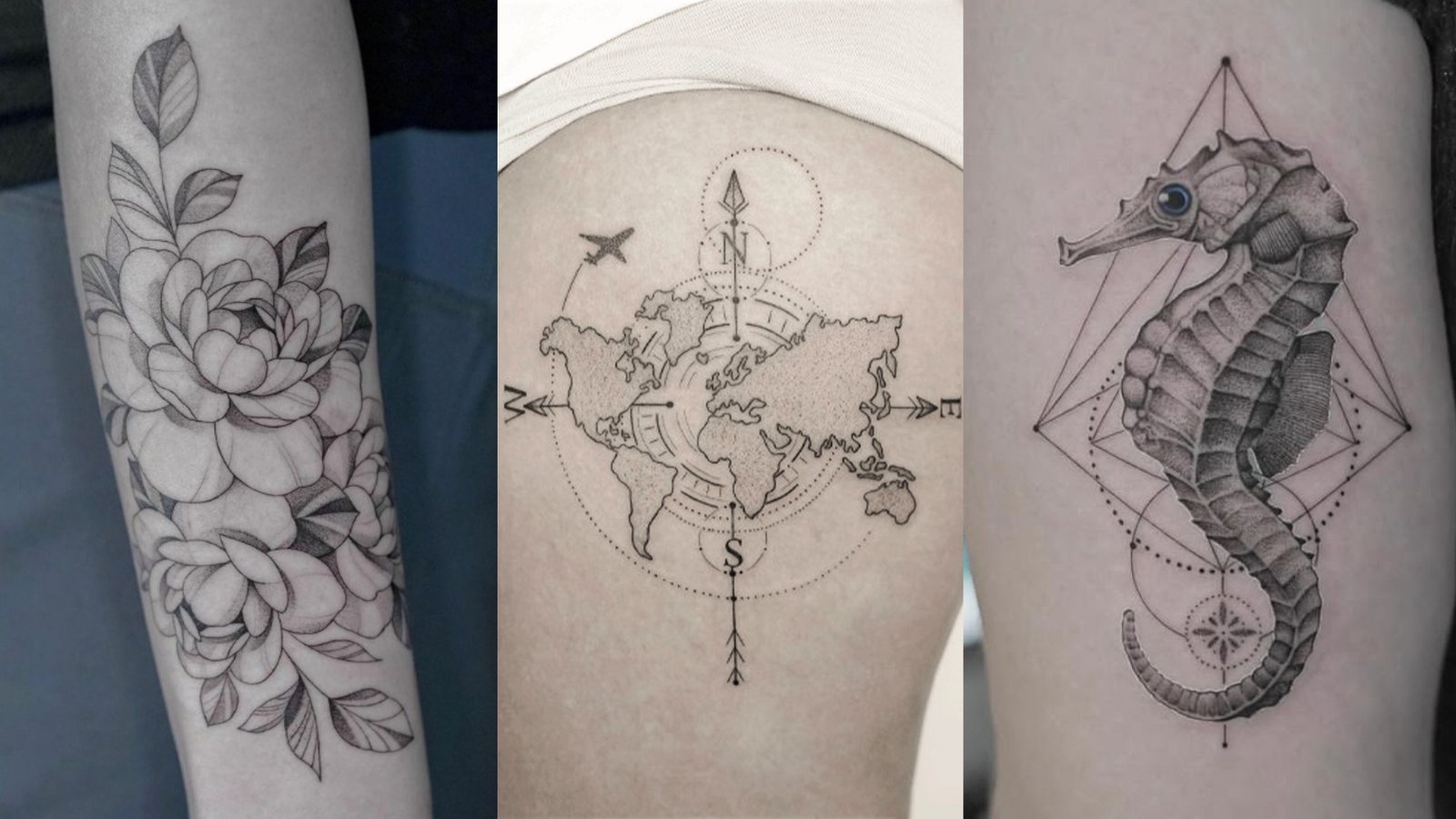
Understanding Fine-Line Tattoo Placement
Fine-line tattoos use narrow strokes to create a refined visual effect. Some designs are very simple, while others contain several small details that require careful spacing. The location should provide enough room for the design to remain recognizable without forcing the lines too close together. Skin also moves differently across the body. Areas that bend frequently or experience regular friction may affect the way a tattoo heals and ages. Sun exposure can gradually influence the appearance of tattooed skin as well. A skilled artist can explain how these factors apply to your chosen design and recommend a suitable location. Before making a final decision, consider how the tattoo will look when the body is relaxed and moving, as well as how easily it can be covered or displayed.
Inner Wrist for Small and Personal Designs
The inner wrist is one of the most popular locations for fine-line tattoos because it offers a visible area for small symbols and short words. A tiny heart, a simple flower, or a meaningful date can fit naturally along the wrist’s shape. Some people prefer this location because they can see the tattoo throughout the day, making it a personal reminder of a goal, value, or important relationship. The wrist is not entirely flat, however, and the skin moves during ordinary activities. It is also frequently exposed to sunlight and contact with clothing, watches, and other accessories. These factors should be considered during planning. If you choose the wrist, ask the artist how the design should be oriented and whether its details will remain clear at the proposed size.
Forearm for Flexible Fine-Line Artwork
The forearm offers more room than the wrist and is suitable for a wide range of fine-line designs. Botanical illustrations, small landscapes, flowing shapes, and short phrases can follow the length of the arm without appearing crowded. The inner forearm may offer a relatively protected location, while the outer forearm can make the tattoo easier to display. Both areas are affected by sunlight when uncovered, so long-term protection matters. The forearm is also practical for people who want to see their tattoo without needing to turn or twist their body. When choosing a design, consider the direction in which it will be viewed. A vertical flower stem or narrow line drawing may fit the forearm naturally, while a wider design may work better closer to the upper arm.
Upper Arm and Shoulder for Subtle Designs
The upper arm and shoulder are useful locations for fine-line tattoos because they offer flexibility in size and visibility. A small design can be hidden under many styles of clothing, making these areas suitable for people who prefer privacy in professional or social settings. The shoulder can accommodate circular symbols, flowers, small celestial designs, or artwork that follows the natural curve of the body. The upper arm provides room for slightly larger illustrations and may be easier to keep covered during everyday activities. However, clothing friction should be considered during the initial healing period, particularly if the chosen garment is tight or rough. Ask the tattoo artist how to protect the fresh tattoo from unnecessary rubbing and how the placement may influence the design’s final proportions.
Ankle for Delicate and Discreet Tattoos
The ankle is a popular choice for people who want a fine-line tattoo that can be shown with certain footwear or covered by longer clothing. Small flowers, waves, stars, and simple symbols can fit around the outer ankle or slightly above it. The location is visually attractive because the shape of the ankle can complement narrow designs. However, footwear and socks may rub against a new tattoo, especially during the healing period. The ankle also moves frequently during walking, and the available space can be limited. These factors make careful placement important. Before choosing an ankle tattoo, consider the types of shoes you regularly wear and whether the design might sit directly beneath a strap or another area of repeated friction.
Behind the Ear for a Hidden Accent
A fine-line tattoo behind the ear can create a discreet accent that is easy to conceal with longer hair. Tiny stars, small botanical elements, and simple shapes are common choices because the available area is limited. This location may appeal to people who want something subtle rather than a design that is constantly visible. However, the skin behind the ear can be sensitive, and the limited space makes intricate artwork difficult. Hair products, headphones, glasses, and frequent contact can also affect the area during healing. Anyone considering this placement should discuss the design’s dimensions with an experienced artist. A simple image with sufficient spacing is generally more suitable than a complex illustration that depends on very fine details.
Collarbone and Upper Chest for Elegant Lines
The collarbone area can work well for fine-line designs that follow a natural horizontal or gently curved shape. Small branches, flowers, short words, and delicate geometric patterns can be arranged to complement the body’s contours. Some people appreciate this location because the tattoo can be displayed with particular clothing or kept covered when desired. The amount of visible space depends on the exact placement and the individual’s anatomy. Skin movement, clothing friction, and sun exposure should also be considered. A tattoo placed too close to a natural fold or an area frequently rubbed by clothing may require additional care during healing. Before the appointment, ask the artist to position a temporary outline so you can assess how the design looks when standing naturally and moving your shoulders.
Ribcage for Private and Personal Artwork
The ribcage is often selected for tattoos that have a private or deeply personal meaning. Fine-line flowers, short phrases, small waves, and narrow illustrations can follow the curve of the torso. This location can be covered easily, which may appeal to people who prefer to keep their body art personal. The ribcage can be a more uncomfortable area to tattoo for some individuals because the skin lies close to the ribs and moves with breathing. Pain levels vary from person to person, so it is difficult to predict exactly how the appointment will feel. Clothing may also rub against the tattoo during healing. If you prefer this location, discuss the size and position carefully with the artist and follow the studio’s aftercare instructions.
Finger Tattoos and Their Practical Challenges
Finger tattoos can look striking because even a tiny symbol is immediately noticeable. Fine-line rings, small hearts, simple shapes, and narrow botanical designs are common choices. However, fingers experience frequent movement, washing, friction, and exposure to everyday activities. These conditions can cause finger tattoos to fade or lose definition more quickly than tattoos in some other locations. The limited surface area also makes detailed artwork difficult to maintain. People considering a finger tattoo should understand that touch-ups may be needed and that results can vary depending on skin characteristics and lifestyle. A professional artist can explain whether the chosen design is appropriate for the finger and whether another location would offer better long-term clarity.
Choosing Placement Based on Your Lifestyle
The ideal tattoo location should fit your daily routine as well as your aesthetic preferences. If your work environment requires tattoos to remain covered, the upper arm, shoulder, or ribcage may be more practical than the wrist or fingers. If you participate in sports, outdoor activities, or work involving frequent hand washing, consider how movement, clothing, and exposure may affect healing and maintenance. Think about whether you want to see the tattoo regularly or prefer it to remain private. You should also consider future plans, including whether you might want to add more artwork nearby. A location that looks perfect for one small symbol may leave limited space for a larger design later. Planning ahead can help maintain a balanced appearance.
Why Design Size and Line Spacing Matter
Fine-line tattoos depend on enough space between individual elements for the design to remain legible. A drawing that looks detailed on a phone screen may become difficult to reproduce clearly when reduced to a very small size. Over time, ink can soften beneath the skin, and closely packed lines may become less distinct. This does not mean that fine-line tattoos cannot age well, but it does mean that realistic sizing is essential. An experienced artist can simplify a design, increase the spacing between details, or recommend a different location. Do not assume that the smallest possible tattoo will automatically be the most elegant. A slightly larger design may preserve the intended appearance more successfully and require fewer compromises during the tattooing process.
Skin Tone, Sun Exposure, and Tattoo Visibility
Tattoo appearance can vary depending on skin tone, the contrast between ink and skin, and the amount of detail in the design. Fine-line tattoos are often created with black or dark ink, but the final visual effect should be discussed with the artist rather than assumed from online photographs. Lighting, filters, and image editing can make tattoos look different from how they appear in everyday conditions. Sun exposure can also affect tattooed skin over time, so protecting healed tattoos with suitable sun protection can help preserve their appearance. During the healing period, follow professional aftercare instructions and avoid applying products that the artist has advised against. If you have a history of unusual scarring or skin reactions, consider discussing your concerns with a qualified healthcare professional before getting tattooed.
Questions to Ask Before Choosing a Location
Before committing to a fine-line tattoo, ask the artist whether the design is suitable for the proposed location and whether any details should be simplified. Find out how the tattoo may look as it ages, whether the location is likely to experience frequent friction, and what aftercare steps will be necessary. Review the artist’s healed tattoo photographs rather than relying only on fresh work, because freshly completed tattoos can look sharper than they will after recovery. Make sure the studio follows appropriate hygiene procedures and uses sterile equipment. You should also feel comfortable asking for adjustments to the design or placement. A professional artist should explain the practical considerations clearly and help you make an informed decision without pressuring you into a particular option.
Conclusion
The best placement for a fine-line tattoo depends on the design, your preferences, and the way the location fits into everyday life. The wrist and forearm are suitable for visible personal symbols, while the upper arm and shoulder offer flexibility and easier coverage. The ankle and area behind the ear can create discreet designs, while the collarbone and ribcage provide opportunities for artwork that follows the body’s natural contours. Finger tattoos require particular consideration because they may fade more quickly and need maintenance. Whatever location you choose, prioritize clear design proportions, appropriate line spacing, professional hygiene, and careful aftercare. Taking time to discuss these factors with an experienced tattoo artist can help you choose a placement that looks attractive and remains meaningful over the years.