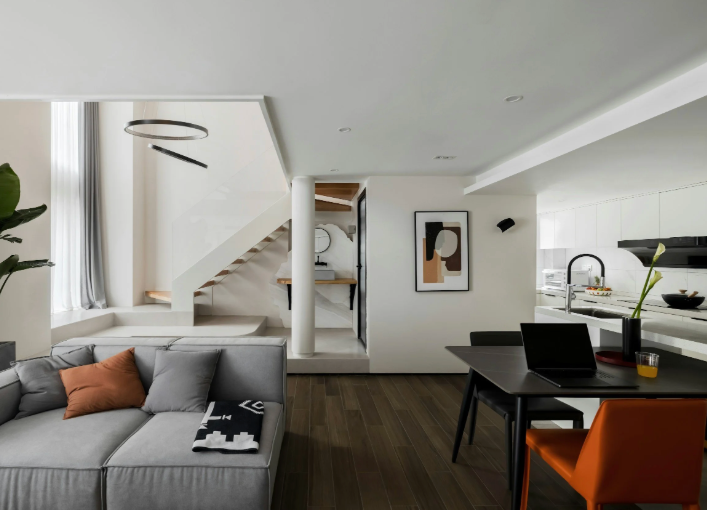
Luxury used to have a very clear meaning in homes. Bigger spaces, expensive materials, heavy décor, and highly decorative finishes were the standard markers of success. But that idea is shifting in a noticeable way.
Younger homeowners are not rejecting quality, but they are redefining what feels valuable inside a home. Instead of focusing on traditional luxury upgrades, they are prioritizing features that improve daily living, flexibility, and comfort in a more practical sense.
The result is a different kind of home design direction. Less about display, more about how life actually works inside the space.
Function Over Appearance as the New Priority
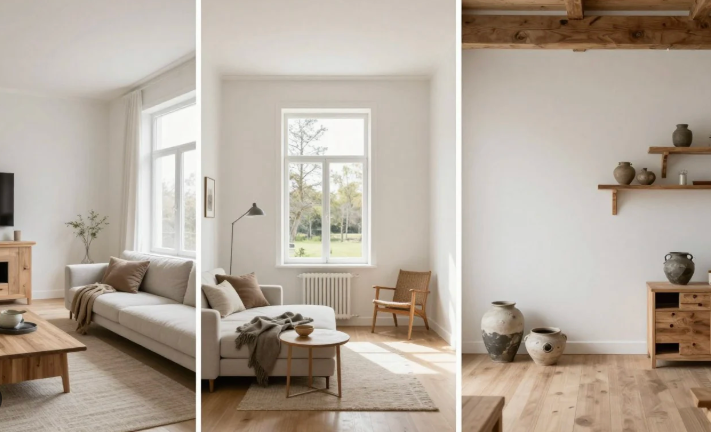
One of the most visible changes is the shift from visual luxury to functional living. Instead of choosing materials or designs purely for appearance, there is now more attention on how a space performs in everyday use.
A kitchen that is easier to move in matters more than one that simply looks expensive. Storage that actually reduces clutter is valued more than decorative cabinetry. Layout efficiency is becoming more important than surface-level design statements.
This doesn’t mean style is ignored. It just means function is no longer secondary to looks.
Flexible Spaces Instead of Fixed Rooms
Traditional homes often assign strict roles to each room. A dining room is for eating, a living room is for sitting, a study is for work. That structure is slowly being replaced by more flexible thinking.
Younger homeowners are prioritizing spaces that can adapt. A single room might shift between work, relaxation, and entertainment depending on the time of day.
Instead of investing in formal dining setups or highly specific rooms that are rarely used, there is more focus on multi-use layouts. Open areas with adaptable furniture are becoming more desirable than rigid, single-purpose rooms.
Flexibility is now seen as a form of everyday luxury.
Storage That Disappears Into the Space
Clutter has become one of the biggest design concerns in modern homes. Instead of adding more visible storage units, the focus is shifting toward hidden or integrated storage solutions.
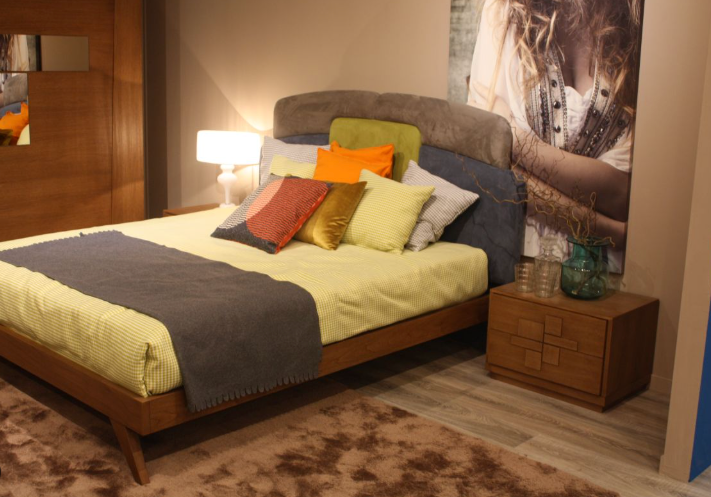
Beds with built-in compartments, seating with internal storage, wall systems that conceal organization, and minimalist cabinetry are becoming more common.
The goal is not just to store items, but to keep them out of sight in a way that maintains visual calm. A clean environment is now considered more valuable than decorative abundance.
This approach also reduces the need for constant rearranging, which makes daily living smoother and less visually overwhelming.
Natural Light as a Core Design Feature
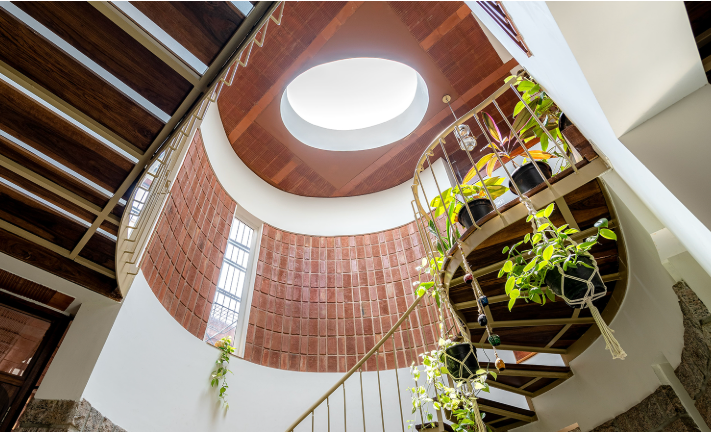
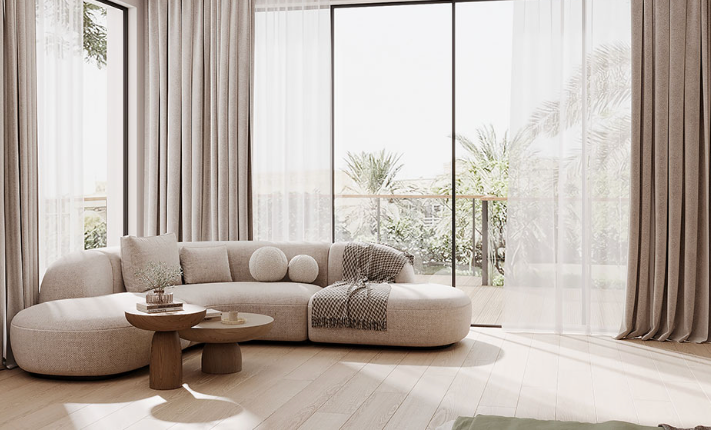
One of the most prioritized elements in modern homes is natural light. Instead of relying heavily on artificial lighting or decorative fixtures, younger homeowners are focusing on how light enters and moves through a space.
Large windows, open layouts, and light-friendly interiors are preferred not for aesthetics alone, but for how they affect mood and energy throughout the day.
Natural light changes the feel of a room without any added design effort. It creates variation, warmth, and openness, all of which contribute to a more comfortable living environment.
In many cases, access to light is now considered more important than decorative upgrades.
Comfort-Driven Materials Over High-End Finishes
Traditional luxury often focused on polished surfaces, glossy finishes, and expensive-looking materials. That preference is slowly changing.
There is now more interest in materials that feel comfortable to live with. Soft textures, natural surfaces, and warm, tactile finishes are becoming more desirable than purely visual statements.
Wood, fabric, matte surfaces, and stone-like textures are often chosen because they create a more relaxed environment.
The emphasis is shifting from “impressive” to “livable,” which changes how material choices are made throughout the home.
Technology That Simplifies Daily Life
Smart home features are becoming more important, but not in a flashy way. Instead of complex systems designed for display, the focus is on technology that quietly improves everyday routines.
Simple automation for lighting, temperature control, and security is preferred over overly complicated setups.
Younger homeowners are less interested in showing off smart features and more interested in reducing effort. Technology is seen as a support system rather than a centerpiece.
The goal is smoother living, not technological complexity.
Personal Comfort Over Formal Design Rules
Older luxury homes often followed strict design principles. Symmetry, formal arrangements, and highly curated layouts were considered important.
That approach is becoming less relevant. Instead, personal comfort is guiding design decisions.
Furniture placement is based on how people actually use a space rather than how it looks in photos. Rooms are designed for daily habits, not staged presentation.
This creates homes that feel more relaxed and less rigid. The idea of “perfect design” is being replaced by “usable design.”
Outdoor Connection as a Priority Feature
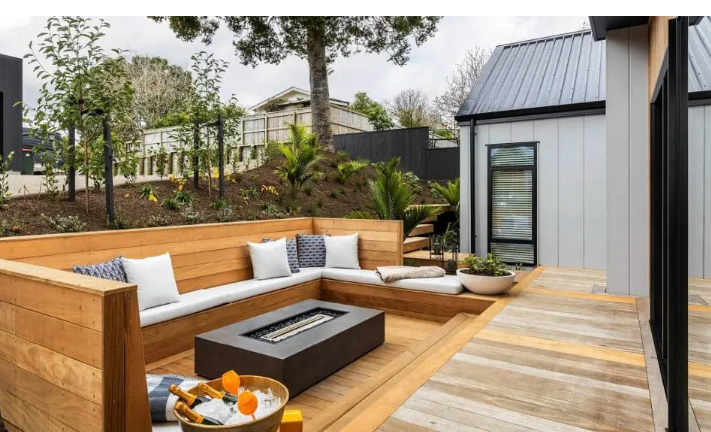
Access to outdoor space is becoming more important than traditional luxury elements like large decorative interiors. Even small balconies, terraces, or garden connections are highly valued.
The ability to step outside, even briefly, adds a sense of openness to daily life. Natural connection is seen as part of well-being, not just visual appeal.
Homes that allow light, air, and outdoor interaction naturally feel more complete to younger homeowners than heavily decorated interiors without external connection.
Minimal Maintenance Living
Another major priority shift is toward homes that are easier to maintain. Instead of investing in complex designs that require constant cleaning or upkeep, simpler solutions are preferred.
Surfaces that are easy to clean, layouts that reduce clutter buildup, and materials that age well are becoming more important than intricate decorative details.
Time and effort are now part of the value equation. A home that takes less energy to maintain is seen as more practical and more desirable.
Emotional Function of the Home
Beyond physical design, younger homeowners are also thinking about how a home feels emotionally.
A space that reduces stress, supports relaxation, and adapts to different moods is valued more than one that simply looks impressive.
This includes things like quiet corners, soft lighting environments, and layouts that allow both social and private time within the same space.
The emotional experience of living in a home is becoming just as important as its visual design.
Subtle Design Instead of Statement Features
Traditional luxury often relied on statement pieces. Large chandeliers, dramatic furniture, bold architectural elements.
The newer approach is much more subtle. Design choices are integrated into the background rather than standing out.
Instead of focusing on single standout elements, the overall atmosphere of the home becomes the priority. Everything works together rather than competing for attention.
This creates a more consistent and calm environment overall.