Minimalism used to have a very specific image. White walls, empty surfaces, sharp lines, and almost no visible objects. Everything was reduced to the bare essentials, often with a strong focus on visual control and symmetry.
But over time, something shifted. People started realizing that while traditional minimalism looked clean, it didn’t always feel warm or lived-in. It could feel distant, even slightly rigid in everyday use.
That gap between appearance and comfort gave rise to a softer evolution of the style. Cozy minimalism is not a rejection of minimalism, but a reworking of it into something more human and emotionally grounded.
Why Traditional Minimalism Started Feeling Incomplete
Classic minimalism was built on reduction. Remove excess, remove clutter, remove anything that doesn’t serve a strict purpose. The result is visually calm spaces that feel organized and controlled.
But in real living conditions, that level of reduction can feel slightly unnatural. Homes are not showrooms. They are places where people rest, work, eat, and spend long hours.
When a space is stripped too far, it can start to lose emotional warmth. There is less texture, less variation, and often less sense of personality. The environment looks perfect, but doesn’t always feel inviting.
This is where cozy minimalism begins to diverge.
What Cozy Minimalism Actually Changes
Cozy minimalism keeps the core idea of simplicity but softens its execution. Instead of removing everything unnecessary, it focuses on keeping only what feels meaningful and comfortable.
The goal is no longer just visual clarity. It is emotional comfort within a simple structure.
Spaces are still uncluttered, but they are not empty. There is a balance between openness and warmth, where every object has room to exist without overwhelming the space.
This creates interiors that feel calm without feeling cold.
The Role of Texture in Softening Space
One of the biggest differences between traditional minimalism and cozy minimalism is the use of texture.
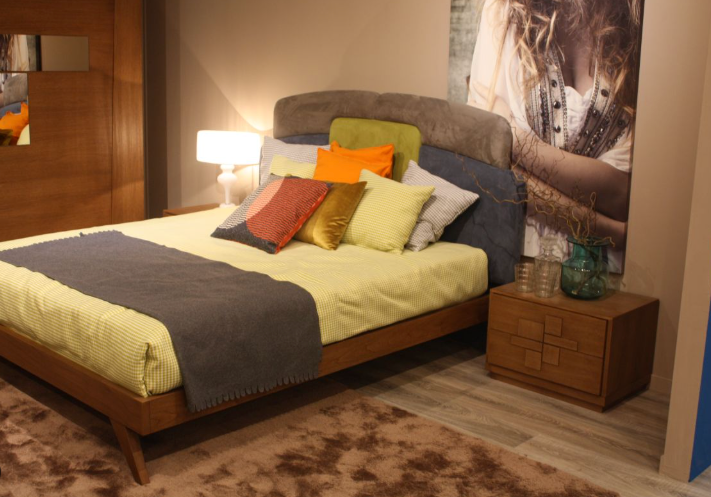
Instead of relying on flat, uniform surfaces, cozy minimalist spaces introduce layered materials. Soft fabrics, natural wood, woven elements, and matte finishes all play a role in creating depth.
Texture adds subtle variation that the eye can register without creating visual noise. It gives the room a sense of warmth without requiring additional decoration.
Even small changes in texture can completely shift the feeling of a space, making it more grounded and approachable
Warmth Through Controlled Simplicity
Cozy minimalism does not abandon simplicity. It refines it.
Instead of eliminating almost everything, it allows a small number of carefully chosen items to remain. These items are not random or decorative for the sake of filling space. They are selected based on comfort, function, and emotional value.
A soft chair in a reading corner. A warm-toned lamp in a quiet area. A single rug that anchors a seating space. Each element serves both a practical and emotional purpose.
The simplicity is still present, but it is no longer emotionally neutral. It carries warmth.
Lighting That Shapes Atmosphere
Lighting plays a central role in defining cozy minimalism. Unlike traditional minimalism, which often relies on bright and even lighting, this approach uses softer and layered light sources.
Warm tones are preferred over cool whites. Multiple small light sources replace one dominant overhead light. Shadows are not eliminated but softened.
This creates a more natural rhythm in the room. Light changes depending on time of day and activity, which makes the space feel more dynamic without becoming visually busy.
The result is a room that feels calm in a way that adjusts to human behavior rather than overpowering it.
Why Empty Space Still Matters, But Feels Different
Minimalism has always valued empty space, but cozy minimalism redefines how that emptiness feels.
In traditional minimalism, empty space is often sharp and intentional, almost architectural. In cozy minimalism, empty space is softer and more integrated.
It is not about creating voids, but about allowing breathing room between elements. The space feels open, but not unfinished.
This balance is what keeps the environment from feeling too sterile or too dense.
Furniture That Prioritizes Comfort Over Perfection
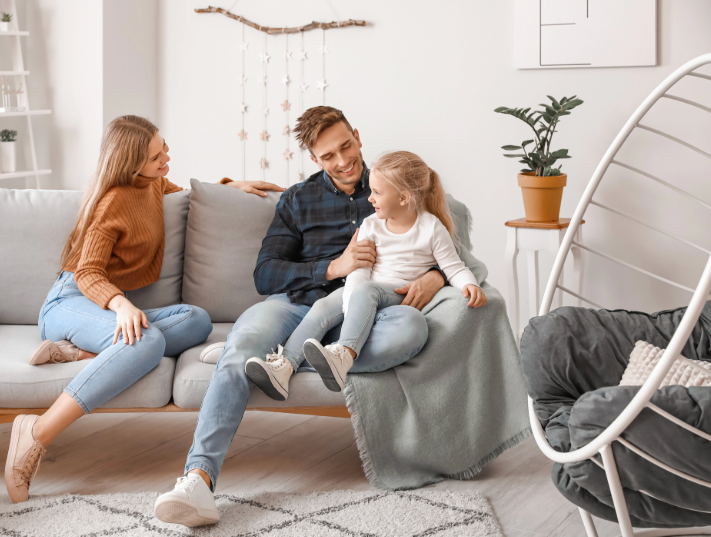
Furniture in cozy minimalist spaces tends to follow a different logic than strict minimalist design.
Instead of focusing only on geometric precision or visual uniformity, there is a stronger emphasis on comfort and usability.
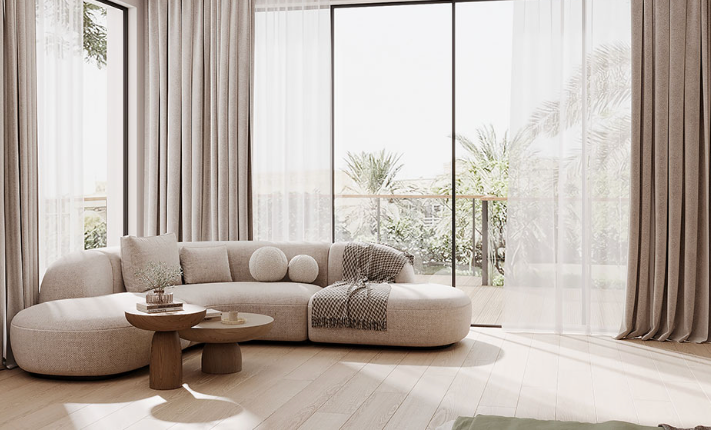
Seating is slightly softer, shapes are more relaxed, and proportions feel more natural. The goal is not to impress visually, but to support long-term use.
Even when designs remain simple, they are not rigid. They are inviting in a way that encourages people to actually use the space comfortably.
The Influence of Natural Elements
Cozy minimalism often incorporates natural elements in subtle ways. Not as decoration, but as grounding features within the space.
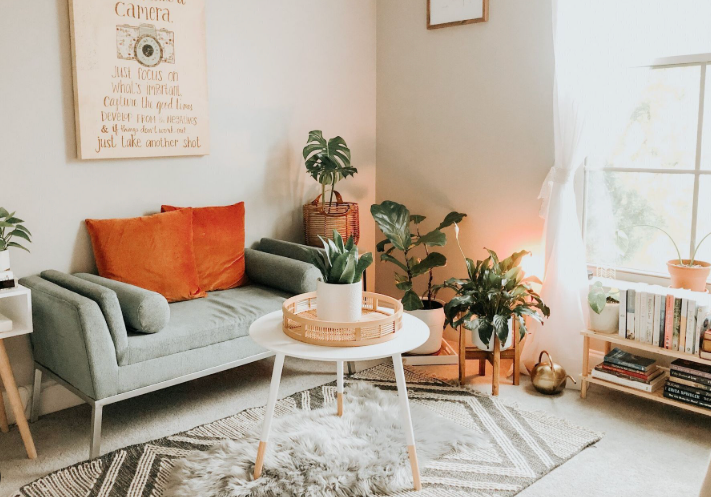
Wood textures, indoor plants, natural fabrics, and organic shapes help break the uniformity of minimal design. They introduce variation without creating clutter.
These elements also bring a sense of connection to the outside world, which makes interiors feel less isolated.
The presence of natural materials adds emotional depth without disrupting simplicity.
A Shift From Visual Perfection to Emotional Balance
Traditional minimalism often aims for visual perfection. Every object is carefully placed, and every surface is controlled to maintain balance.
Cozy minimalism shifts the focus away from perfection and toward emotional balance.
A slightly imperfect arrangement is acceptable if it feels more natural to live with. A softer visual rhythm is preferred over rigid symmetry.
This makes the space feel more realistic and less staged, which is closer to how people actually experience their homes.
The Role of Personal Objects
In strict minimalism, personal objects are often reduced or hidden. Cozy minimalism allows them to exist more openly, as long as they do not overwhelm the space.
A few books, a meaningful object, or a personal item placed intentionally can add emotional weight to a room.
These objects prevent the space from feeling anonymous. They introduce subtle personality without disrupting the overall simplicity.
The balance between restraint and expression is what defines this approach.
Why Cozy Minimalism Feels More Sustainable
One of the reasons this trend is growing is because it feels easier to maintain over time.
Highly strict minimalism can sometimes require constant upkeep to maintain its clean appearance. Cozy minimalism is more forgiving.
Because it allows softness, texture, and a bit more natural variation, it fits better into everyday life without feeling like a design rule that must always be enforced.
This makes it more practical for long-term living environments.
Emotional Comfort as the Core Design Principle
At its core, cozy minimalism is not just a visual style. It is an emotional design approach.
The focus is on how a space feels when someone spends time in it, not just how it looks in a static moment.
Calmness, warmth, and ease become more important than strict visual reduction. The goal is to create an environment that supports rest, focus, and comfort without unnecessary stimulation.
This emotional layer is what separates it from traditional minimalism.