Creating a modern and stylish space is not simply about buying expensive furniture or following every new interior trend. A truly attractive home comes from understanding how different elements work together. Colors, furniture, lighting, textures, layout, storage, and decorative details all contribute to the overall atmosphere of a room.
Modern interior design has changed considerably in recent years. People are moving away from spaces that feel overly formal or carefully matched and are choosing interiors that combine simplicity with comfort. A modern home can have clean lines while still feeling warm. It can include fashionable furniture while remaining practical. It can also reflect the personality of the people who live there.
The secret is to create a space that looks intentional without appearing forced. Every major element should have a purpose, and decorative choices should support the overall mood of the room. With a thoughtful approach, even an ordinary space can become visually appealing and comfortable.
Start With a Clear Design Direction
Before purchasing anything, decide how you want the room to feel. This is one of the most important steps because a clear direction prevents random purchases that do not work together.
Think about words that describe your ideal space. You might want it to feel calm, elegant, warm, artistic, minimal, sophisticated, or energetic. These ideas can guide your decisions throughout the design process.
For example, someone looking for a calm environment may prefer soft neutral colors, natural materials, simple furniture, and gentle lighting. Someone who wants a dramatic atmosphere might choose darker tones, statement lighting, bold artwork, and stronger contrasts.
Having a clear direction does not mean everything must match perfectly. Instead, it creates a visual connection between different parts of the room.
Build a Practical Layout
A stylish room can quickly become uncomfortable if the furniture arrangement is poorly planned. Before focusing on decoration, consider how people will move through the space.
Leave enough room between major pieces of furniture so that walking feels natural. Avoid blocking doors, windows, or important pathways. Think about how the room will actually be used during everyday life.
For a living room, the seating arrangement should encourage conversation while also providing a comfortable view of the television or another focal point. In a bedroom, the bed should remain the main visual element without preventing easy movement around it.
A good layout makes a room feel organized before any decorative accessories are added.
Choose a Balanced Color Palette
Color has a major influence on the personality of a room. A modern interior does not necessarily require plain white walls. Contemporary spaces can include warm neutrals, earthy shades, soft greens, muted blues, deep browns, and carefully selected accent colors.
A useful approach is to begin with a dominant color, introduce a supporting shade, and then add a smaller amount of contrast.
For example, a room might use a warm neutral as the main background, natural wood tones as a supporting element, and a darker accent through cushions, artwork, or furniture.
This creates visual variety without making the room feel chaotic.
Focus on Quality Over Quantity
One of the biggest mistakes in interior design is filling a room with too many objects. A modern space often looks more sophisticated when it contains fewer but more meaningful pieces.
Instead of buying several inexpensive decorations, consider choosing a small number of items that have strong visual impact.
A beautiful lamp, a well-designed chair, an interesting artwork, or a quality coffee table can become a focal point without overwhelming the room.
This approach also makes cleaning and organization easier. When every object has a reason to be there, the room naturally feels more intentional.
Select Furniture With Strong Shapes
Furniture is one of the most noticeable parts of an interior, so its shape can strongly influence the overall design.
Modern furniture often uses clean lines and simple forms, but that does not mean everything needs to be perfectly straight. Rounded sofas, curved chairs, oval tables, and organic shapes can soften an otherwise structured room.
The key is balance.
If most of the furniture has sharp geometric lines, adding a curved element can create contrast. Likewise, a room filled with rounded shapes may benefit from a more structured piece.
Furniture should also match the size of the room. Oversized pieces can make a compact space feel crowded, while furniture that is too small may make a large room feel unfinished.
Create a Strong Focal Point
Every stylish room benefits from having something that immediately attracts attention.
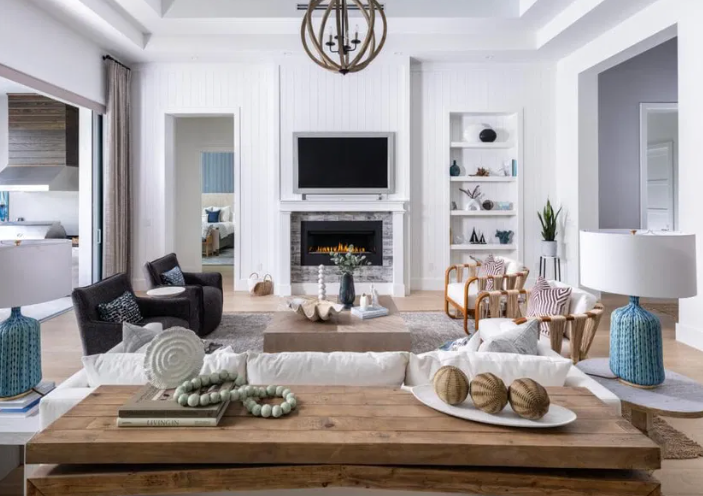
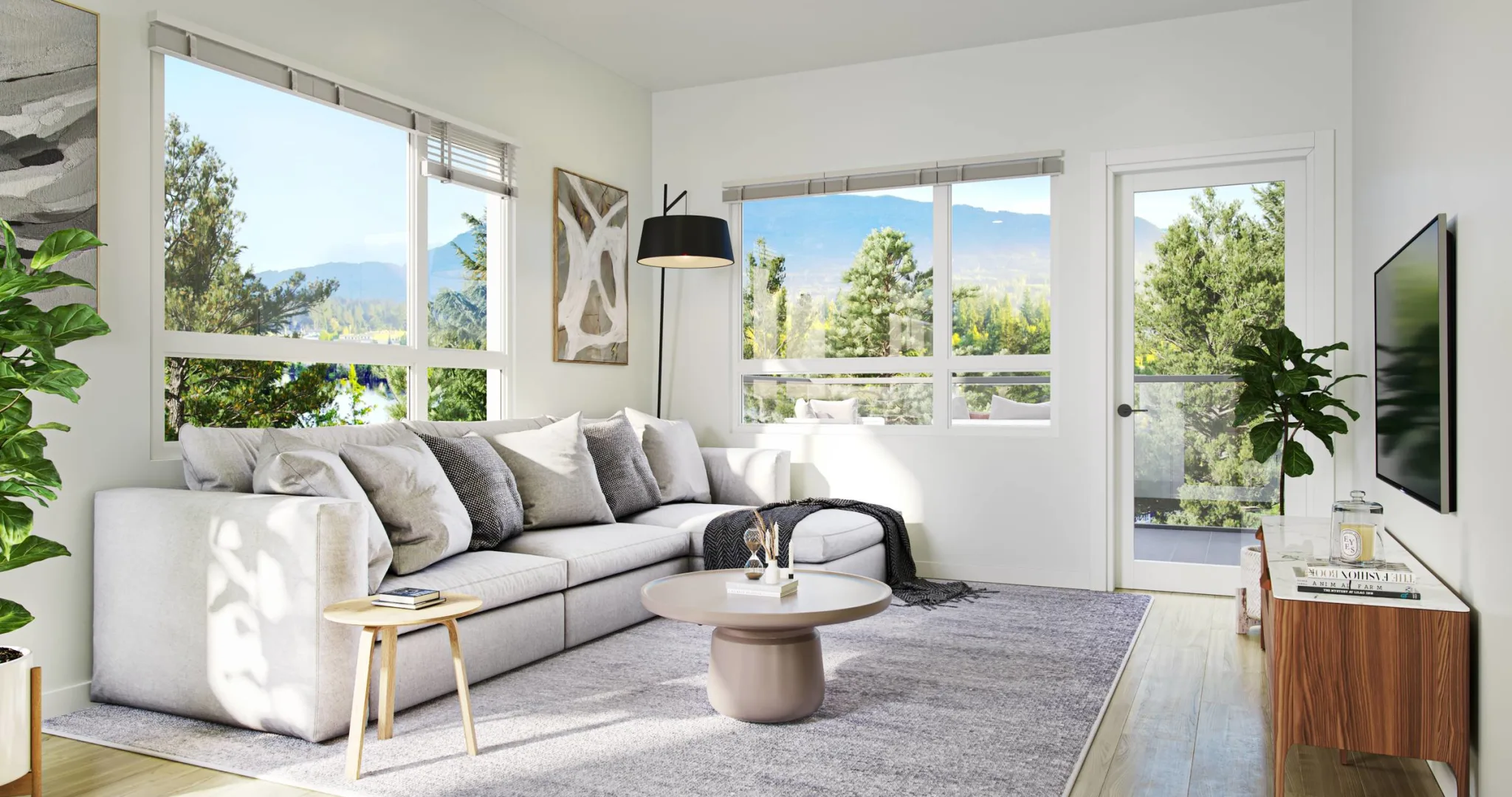
A focal point could be a large piece of artwork, a statement light fixture, an elegant sofa, a fireplace, a textured wall, or even a beautiful view outside the window.
Once you choose the focal point, arrange other elements so they support it rather than compete with it.
For example, if a large artwork is the main feature above a sofa, avoid placing too many other dramatic decorations nearby. Allow the artwork enough visual space to stand out.
A strong focal point gives the room a sense of structure and makes the design easier to understand.
Use Lighting as a Design Element
Lighting is often underestimated, but it can completely change how a room looks and feels.
Instead of depending on one ceiling fixture, combine several sources of light. Ambient lighting can provide general illumination, while floor lamps, table lamps, wall lights, and accent lighting can create additional layers.
Warm lighting can make a room feel comfortable and inviting. Brighter lighting may work better in areas where people read, cook, work, or perform detailed tasks.
Decorative lighting can also become part of the room’s visual identity. A sculptural pendant light or an elegant floor lamp can function as both a practical object and a statement piece.
Natural light should also be used whenever possible. Keep windows relatively clear and choose window treatments that allow daylight to enter.
Introduce Different Textures
A room can have beautiful colors and furniture yet still feel flat if everything has the same texture.
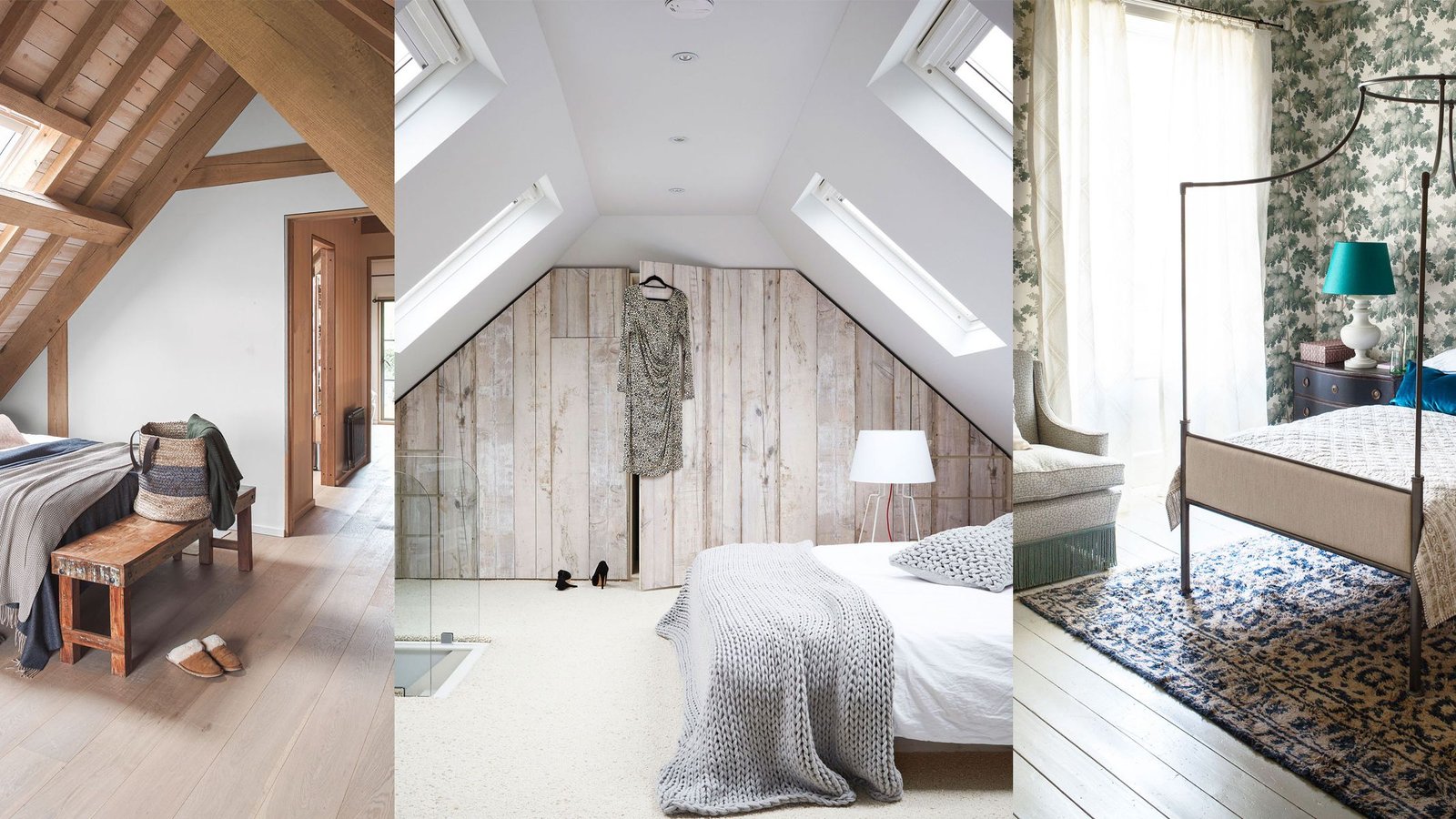
Modern interiors often become more interesting when different materials are combined. Smooth surfaces can be paired with soft fabrics. Wood can be combined with metal. Glass can be placed alongside textured textiles.
Consider using cushions, rugs, curtains, woven baskets, wooden surfaces, ceramic accessories, and soft upholstery to introduce variety.
Texture is especially important in neutral rooms because it adds depth without requiring strong colors.
Bring Nature Indoors
Natural elements can make a modern space feel warmer and more welcoming.
Plants are an easy way to introduce greenery, while wooden furniture can add warmth and character. Stone, ceramic, rattan, linen, and woven materials can also create a connection with nature.
You do not need to turn your home into an indoor garden. A few carefully positioned plants can have a significant visual effect.
Choose plants according to the available light and the amount of care you are realistically able to provide. Decorative branches or dried arrangements can also create a natural appearance with relatively little maintenance.
Use Art to Show Personality
Artwork gives a room an opportunity to express individuality. A modern space does not need to rely entirely on furniture and architecture for visual interest.
Choose pieces that connect with your personal taste. Abstract artwork, photography, illustrations, traditional pieces, or handmade creations can all work in a contemporary interior.
The placement of artwork matters as much as the artwork itself. Hanging a piece at an appropriate height and giving it enough surrounding space can make it look more intentional.
A collection of smaller artworks can also work well when arranged carefully. However, avoid placing too many pieces together unless a gallery-style arrangement is specifically part of the design.
Keep Storage Stylish
Storage does not have to be something that is hidden from view or treated as an afterthought.
Modern storage solutions can become part of the design. Floating cabinets, open shelving, built-in units, decorative baskets, and attractive storage boxes can help keep everyday objects organized.
A clutter-free room automatically looks more polished.
Open shelving should be used carefully because everything placed on it becomes part of the visual composition. Mix practical objects with decorative items and leave some empty space between groups.
Closed storage is useful for objects that would otherwise make the room appear busy.
Mix Materials Instead of Matching Everything
A common misconception about stylish interiors is that every material needs to match. In reality, combining different materials often creates a richer appearance.
A wooden table can work beautifully with metal lighting. A soft fabric sofa can contrast with a glass coffee table. Stone-inspired surfaces can complement warm wooden cabinets.
The key is to repeat certain materials throughout the room so the combination feels connected.
For example, if you introduce black metal through a light fixture, you can repeat that finish in a small side table or decorative frame. These repeated details create cohesion.
Make Technology Blend Into the Room
Modern homes often contain televisions, speakers, computers, chargers, smart devices, and other technology. If these elements are not considered during the design process, they can easily create visual clutter.
Try to organize cables and hide unnecessary equipment whenever possible. Wall-mounted televisions can create a cleaner appearance, while built-in cabinets can conceal devices when they are not being used.
Technology should support the room rather than dominate it.
Even simple cable management can make a noticeable difference in how polished an interior looks.
Pay Attention to Negative Space
Empty space is not wasted space. It is an important design element.
When every wall, shelf, and surface is filled, the room can feel crowded even if the furniture itself is attractive. Leaving some areas intentionally empty allows important pieces to stand out.
Negative space gives the eyes a place to rest. It also creates a feeling of calm and makes the overall design easier to appreciate.
This is one reason minimalist interiors can appear sophisticated. They allow individual design elements to receive more attention.
Add Personal Details
A modern room should still feel like someone’s home.
Family photographs, travel memories, books, handmade objects, collections, or meaningful artwork can add personality. These details prevent a space from looking like a showroom.
The goal is not to display everything you own. Select a few personal items that have genuine meaning and integrate them into the design.
Personal details are often what transform a stylish room into a memorable one.
Avoid Following Every Trend
Interior trends can provide inspiration, but following every popular style can quickly make a room feel temporary.
Instead of replacing major furniture whenever a new trend appears, use smaller decorative elements to experiment with current styles.
Cushions, artwork, lamps, rugs, and accessories can often be changed more easily than sofas, dining tables, or cabinets.
A strong foundation should remain relatively timeless, while smaller elements can evolve as your taste changes.
Consider Proportion and Scale
Proportion is one of the hidden secrets behind professional-looking interiors.
A small artwork above a large sofa may appear lost, while an enormous decorative object in a compact room may feel overwhelming.
Think about how each object relates to the others around it.
A large room can usually handle larger furniture and stronger decorative elements. A smaller room may benefit from slimmer furniture and carefully controlled accessories.
Balanced proportions make a room feel naturally organized.
Create Comfort Alongside Style
A stylish space should never sacrifice comfort completely.
Furniture needs to be practical enough for everyday use. Sofas should be comfortable, dining chairs should support long meals, and lighting should suit the activities performed in each area.
Soft textiles, comfortable seating, rugs, curtains, and warm lighting can prevent a modern interior from feeling cold.
The best spaces combine visual appeal with real-life usability.
Refresh the Space Without Starting Over
You do not always need a complete renovation to make a room feel modern.
Small changes can create a surprisingly strong effect. Rearranging furniture, changing cushions, adding artwork, replacing outdated lighting, introducing plants, organizing shelves, or changing curtains can refresh the atmosphere.
Sometimes the biggest improvement comes from removing something rather than adding something new.
Take a fresh look at the room and identify anything that feels unnecessary, outdated, or visually distracting.
The Secret to a Stylish Modern Home
Creating a modern and stylish space is ultimately about balance. It involves combining clean design with comfort, contemporary elements with personal character, and decoration with practical living.
Start with a clear vision and a functional layout. Choose a balanced color palette, select furniture that fits the room, and use lighting to create atmosphere. Add texture, natural elements, artwork, and personal details without allowing the space to become overcrowded.
Most importantly, do not feel pressured to copy someone else’s home. Trends can provide inspiration, but your space should reflect the way you live and the things you appreciate.
A successful modern interior does not need to be expensive or filled with designer products. It needs thoughtful choices, good proportions, useful organization, and a clear sense of personality.
When these elements work together, even a simple room can become elegant, welcoming, and distinctly your own. That is the real secret behind creating a modern and stylish space that remains enjoyable long after the latest design trend has disappeared.