Modern design has changed the way people think about their homes, workplaces, and everyday surroundings. A space is no longer viewed simply as an arrangement of walls, furniture, and decorative objects. Today, designers look at a room as a complete experience where comfort, functionality, visual balance, technology, and personal expression work together.
The art of reimagining a space begins with seeing possibilities that may not be obvious at first. An empty corner can become a reading area. An unused wall can become a storage solution or artistic focal point. A poorly lit room can feel completely different after a thoughtful lighting plan. Even familiar furniture can take on a new character when it is rearranged or combined with different materials.
Modern design provides countless ways to transform ordinary environments without necessarily starting from scratch. Instead of automatically replacing everything, homeowners and designers can reconsider what already exists and discover new ways to make it useful and attractive.
This approach makes modern design more than a visual trend. It becomes a creative process of understanding how a space works and imagining how it could work better.
Seeing Space With Fresh Eyes
The first step in reimagining an interior is learning to look at it differently.
People often become accustomed to the way their homes are arranged. Furniture remains in the same position for years, decorations stay on the same shelves, and certain corners are rarely questioned.
Modern design encourages a fresh perspective.
Look at the room from different angles. Consider how natural light enters during the morning and afternoon. Observe where people naturally walk and where they tend to gather. Notice areas that feel crowded and corners that remain unused.
These observations can reveal opportunities for improvement.
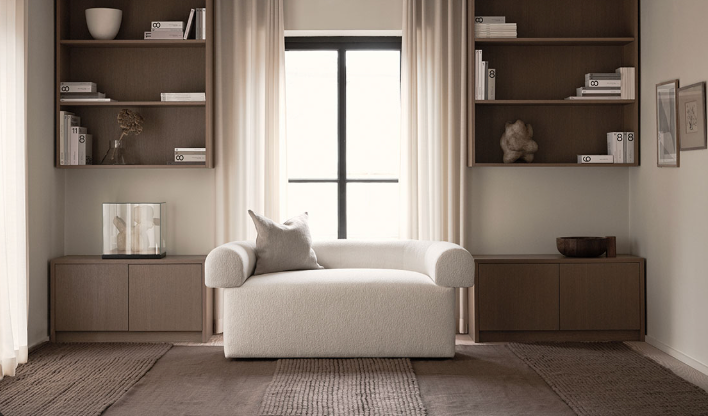
A room does not always need more furniture or decoration. Sometimes it needs less. Removing unnecessary items can reveal architectural features and create a stronger sense of openness.
Reimagining begins when you stop asking what the room currently is and start asking what it could become.
Designing Around Real Life
A beautiful room is not successful if it does not support the people using it.
Modern interior design places strong emphasis on practical living. A living room may need to accommodate conversations, entertainment, reading, and relaxation. A dining area might also function as a workspace. A bedroom may require storage, lighting, and a quiet corner for personal activities.
Instead of designing each room around a single purpose, modern spaces often support several activities.
This requires thoughtful planning.
Furniture should be positioned according to movement and use. Storage should be easy to access. Lighting should match different activities. Decorative elements should not interfere with everyday functionality.
When design follows real life, the result feels natural rather than artificial.
The Power of an Open Layout
Open layouts have become a defining feature of contemporary interiors because they allow different areas to connect visually.
Removing unnecessary barriers can make a home feel larger and more social. A kitchen can connect naturally with the dining area, while the living room remains part of the same visual environment.
However, open space does not mean that everything should blend together completely.
Modern designers often create subtle zones through furniture placement, rugs, lighting, ceiling treatments, or changes in texture.
For example, a large rug can define the living area without creating a physical wall. Pendant lighting can identify a dining zone, while a kitchen island can provide a natural transition between cooking and social spaces.
This creates openness while maintaining organization.
Rethinking the Role of Furniture
Furniture should not simply occupy empty areas. It should contribute to the purpose and character of the room.
Modern design often favors furniture with clean shapes, flexible functions, and carefully considered proportions.
A large sofa can provide comfortable seating and define a living area. A console can offer storage while creating a visual anchor. A bench can serve as seating, decoration, and practical storage.
Multifunctional furniture is particularly valuable in smaller spaces.
A piece that performs several roles can reduce clutter and make a room easier to adapt.
The arrangement is equally important. Moving furniture away from walls can sometimes create a more intimate and balanced atmosphere, while placing it strategically can improve movement through the room.
Color as a Tool for Transformation
Color can dramatically change how people perceive a space.
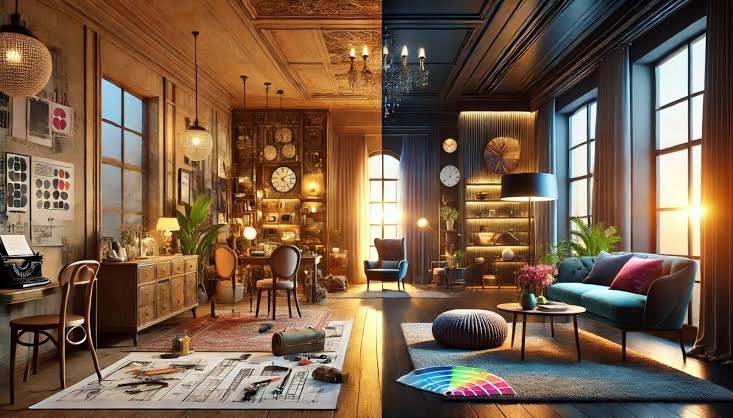
Light colors can create an airy atmosphere, while darker shades can add depth and intimacy. Warm tones can make a room feel welcoming, while cooler shades can create a calmer mood.
Modern design does not require every room to follow the same color scheme.
Instead, colors can be connected through subtle repetition. A shade used in artwork can appear again in cushions or a small decorative object. Wood tones can repeat across furniture and accessories.
This creates continuity without making the room look overly coordinated.
Color can also be used to change visual proportions. A carefully chosen wall color can make a narrow room feel more balanced or highlight an architectural feature.
Lighting Can Redefine a Room
Lighting is one of the most powerful tools for reimagining a space because it affects both appearance and atmosphere.
Natural light should be treated as a design feature rather than simply a source of brightness. Keep windows clear where possible and use suitable curtains to control privacy and sunlight.
Artificial lighting can then add layers.
Ambient lighting provides general illumination. Task lighting supports specific activities, while accent lighting highlights artwork, architectural details, shelves, or other important features.
Decorative lighting can also become a statement element.
A sculptural pendant or distinctive floor lamp can completely change the personality of a room without requiring major structural changes.
Bringing Texture Into Modern Interiors
Texture gives depth to a design.
A room dominated by smooth surfaces can feel visually flat even when the colors are attractive. Introducing different materials creates contrast and makes the environment more engaging.
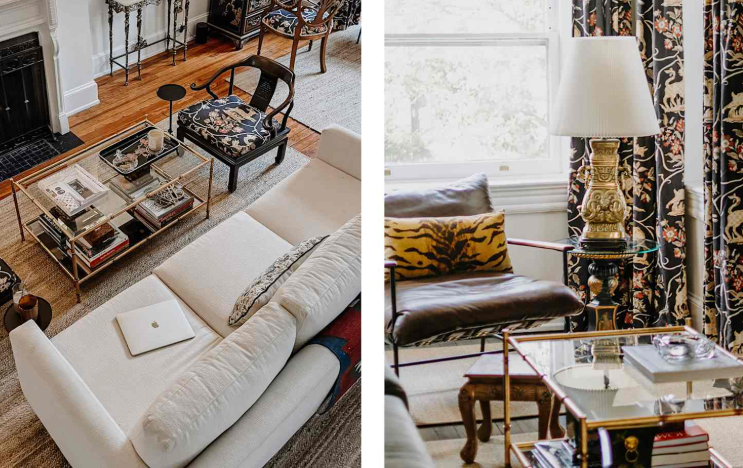
Wood adds warmth. Glass introduces lightness. Metal can provide structure. Soft fabrics create comfort. Stone and ceramic can contribute natural character.
Textiles are especially useful because they can be changed relatively easily.
A rug, curtains, cushions, or upholstered chair can introduce new texture without requiring a complete redesign.
The combination of materials should feel intentional rather than random.
Creating Visual Balance
Good design is often less about individual objects and more about how those objects relate to one another.
Visual balance can be achieved through symmetry, contrast, repetition, and proportion.
For example, two similar lamps can create symmetry around a bed or sofa. A large artwork can balance a substantial piece of furniture. Several smaller objects can balance one larger decorative element.
Balance does not mean everything needs to be identical.
Asymmetrical arrangements can create a more relaxed and contemporary atmosphere. What matters is that the visual weight of the room feels distributed rather than concentrated in one area.
Making Walls More Meaningful
Walls provide enormous opportunities for creative expression.
Instead of treating them as blank backgrounds, modern designers use walls for artwork, shelving, storage, mirrors, textures, and architectural features.
A single feature wall can become the defining element of a room.
Built-in shelves can combine storage with display space. Large mirrors can increase visual depth. Textured panels can introduce warmth and dimension.
The right wall treatment can also help establish the identity of a space.
A bedroom might benefit from a calm textured wall, while a creative workspace could use artwork or an organized display system.
The Importance of Negative Space
Empty areas are an important part of design.
When every surface is occupied, a room can feel crowded and stressful. Negative space allows the eye to rest and gives important objects greater impact.
This does not mean that a room should be empty.
Instead, it means that objects should have enough surrounding space to be appreciated.
A single artwork on a large wall may create a stronger impression than ten smaller pieces competing for attention.
Modern design often uses restraint to create elegance.
Connecting Indoor and Outdoor Areas
Where possible, modern design seeks to strengthen the relationship between interior and exterior spaces.
Large windows, glass doors, natural materials, plants, and views of outdoor areas can make rooms feel more connected to nature.
Even homes without large gardens can achieve this effect.
Indoor plants, natural textures, wood finishes, and nature-inspired artwork can introduce organic elements.
The goal is to create a sense of freshness and continuity.
Reimagining Small Spaces
Limited space can encourage creative thinking.
Instead of seeing a small room as a disadvantage, consider it an opportunity to simplify.
Furniture should be carefully selected according to scale. Vertical storage can make better use of walls. Mirrors can create depth. Multifunctional pieces can reduce the number of objects required.
A small room may actually feel more sophisticated when it contains only the essentials.
The challenge is to maximize usefulness without sacrificing visual comfort.
Technology and Modern Living
Technology has become an important part of contemporary interiors.
Smart lighting, automated blinds, integrated speakers, entertainment systems, and connected devices can improve convenience.
However, technology should not dominate the visual environment.
Modern design increasingly focuses on integrating technology discreetly. Cables can be hidden, equipment can be incorporated into furniture, and screens can be positioned carefully.
The goal is to make technology useful without allowing it to become visual clutter.
Sustainable Choices
Reimagining a space does not always mean buying new products.
Sustainable design encourages people to reuse, restore, repair, and repurpose existing furniture.
An old wooden cabinet can receive a new finish. A vintage chair can be reupholstered. Existing shelves can be rearranged for a different purpose.
These choices can create interiors with more character because older objects often carry visual history.
Sustainability can also influence the selection of new materials. Durable products, natural materials, responsible manufacturing, and long-lasting furniture can reduce the need for frequent replacements.
Personal Expression Matters
A modern room should not look like a copy of a showroom.
Personal expression is what gives an interior its identity.
Books, artwork, photographs, travel objects, handmade pieces, and meaningful possessions can make a space feel authentic.
The trick is to display personal items thoughtfully.
Rather than placing everything on visible surfaces, choose a few pieces that genuinely represent your personality and integrate them into the overall design.
A stylish home should tell a story about the people who live there.
Small Changes Can Create Major Results
Not every transformation requires construction or expensive furniture.
Rearranging a sofa can change the flow of a living room. Replacing outdated lighting can create a completely different atmosphere. Adding a large mirror can increase visual depth. Changing curtains can alter the perceived height of a room.
Even reorganizing shelves or removing unnecessary decorations can produce noticeable results.
This makes reimagining accessible to almost everyone.
The most important step is learning to identify which changes will have the greatest visual and practical impact.
Designing for the Future
Modern spaces should be flexible enough to adapt as lifestyles change.
A room that works perfectly today may need to serve a different purpose in the future.
Flexible furniture, adaptable storage, movable lighting, and multifunctional areas can make a home easier to update.
This approach also reduces the need for frequent major renovations.
Instead of designing only for the present moment, think about how the space might evolve.
The Creative Possibility of Every Room
The art of reimagining spaces is ultimately about changing perspective.
A room does not have to be large, expensive, or architecturally unusual to become extraordinary. Thoughtful design can reveal possibilities hidden within ordinary surroundings.
Good design considers how people move, where they spend time, how light enters the room, what objects matter to them, and how the space should feel.
Modern design brings these elements together through careful choices involving color, furniture, lighting, materials, technology, storage, and personal expression.
The most successful transformations are rarely created by one dramatic change. They come from a collection of thoughtful decisions that support one another.
When you begin to see a room as more than its walls and furniture, its possibilities become much greater. An unused corner can become useful. A plain wall can become memorable. An old piece of furniture can gain a new purpose.
That is the true art of modern design. It is not simply about making spaces look different. It is about discovering what a space can become and creating an environment that feels purposeful, comfortable, beautiful, and uniquely connected to the people who use it.