Living in a small home does not mean giving up on style, comfort, or personality. With the right design choices, even a compact room can feel open, organized, and surprisingly spacious. Modern interior design is increasingly focused on making smaller spaces more functional without making them look crowded. Instead of relying only on larger furniture or expensive renovations, homeowners can use clever layouts, suitable colors, smart storage, lighting, and carefully selected decorative elements to create the impression of more space.
Small space design has become especially important as apartments, studio homes, compact houses, and multifunctional living areas continue to grow in popularity. People want their homes to feel comfortable while still having enough room for everyday activities. The latest design trends offer practical ways to achieve that balance.
The key is not necessarily to make a room physically larger. The goal is to make the available space work better and create visual openness. When furniture, colors, lighting, and storage are carefully planned, a small room can feel much more comfortable than its current dimensions suggest.
Choose Furniture With a Lighter Visual Profile
One of the easiest ways to make a small room appear larger is to select furniture that does not visually dominate the space. Large, heavy furniture can make a compact room feel crowded even when there is enough walking space.
Furniture with slim legs, open bases, and simple frames can create a sense of openness. When you can see more of the floor underneath a sofa, chair, or table, the room often feels less enclosed.
For example, a sofa raised slightly above the floor can make a living room appear more spacious than a bulky sofa that reaches almost completely to the ground. The same idea can be applied to beds, cabinets, coffee tables, and dining chairs.
This does not mean every piece needs to be extremely small. The important thing is to choose furniture that fits the proportions of the room.
Use Light Colors Strategically
Light colors have remained a popular choice for compact interiors because they can reflect more light and create an airy atmosphere. Soft whites, warm creams, pale beige, light gray, and gentle pastel shades can make walls appear less visually heavy.
However, an entirely white room is not the only option. Modern small space design often combines several light shades to create depth without overwhelming the room.
For example, a warm neutral wall can be paired with lighter furniture and slightly darker accessories. This creates contrast while maintaining a bright overall appearance.
The goal is to create visual continuity rather than filling the room with too many competing colors.
Make Better Use of Mirrors
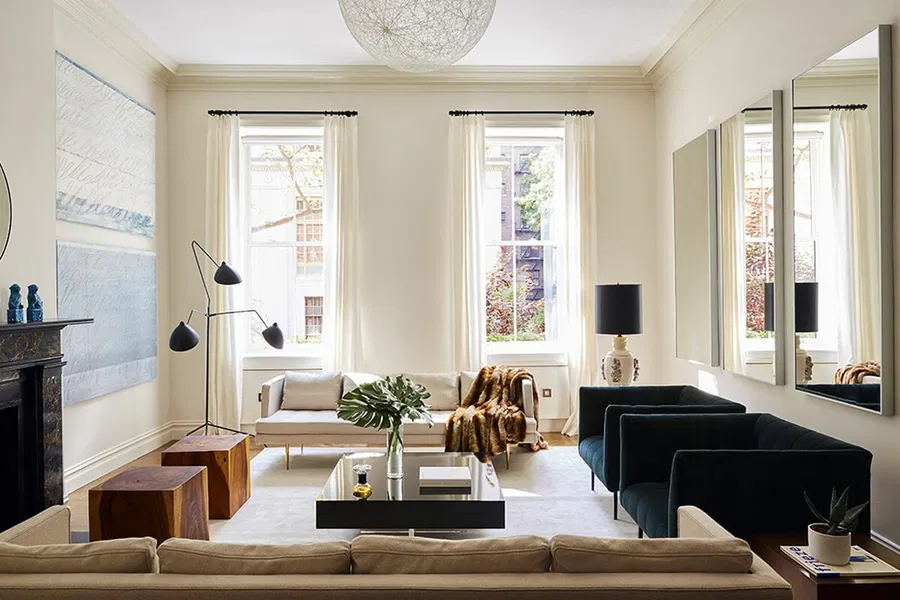
Mirrors can be extremely useful in small rooms because they reflect light and create the illusion of additional depth. A well-positioned mirror can make a narrow room feel wider or a dark corner feel brighter.
Large wall mirrors are particularly effective when placed opposite windows or light sources. They can reflect daylight and distribute brightness across the room.
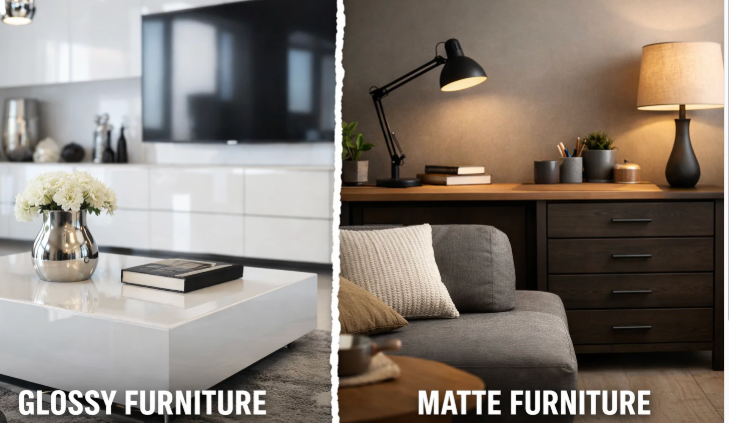
Mirrored furniture can also contribute to the effect, but it should be used carefully. Too many reflective surfaces may make the space feel visually busy.
A single large mirror or a thoughtfully arranged collection of smaller mirrors can provide enough impact without making the room feel cluttered.
Take Advantage of Vertical Space
When floor space is limited, the walls become valuable storage and design areas. Vertical thinking allows homeowners to use space that would otherwise remain empty.
Tall shelves, wall-mounted cabinets, vertical bookcases, and high storage units can provide additional capacity without taking up much floor area.
Vertical design also draws the eye upward, which can make a room appear taller. Curtains that extend close to the ceiling can create a similar effect by emphasizing the height of the room.
Instead of spreading storage across the floor, consider building upward whenever possible.
Choose Multifunctional Furniture
Multifunctional furniture has become one of the most practical trends in small space design. A single piece can perform several jobs, reducing the number of items required in a room.
A storage ottoman can function as seating, a footrest, and a place to store blankets. A sofa bed can turn a living room into a guest area when needed. A dining table with folding sections can remain compact during everyday use and expand when guests arrive.
Other options include beds with built-in storage, desks that fold against the wall, nesting tables, and benches with hidden compartments.
The benefit is not simply saving space. Multifunctional furniture also makes the room easier to adapt to different activities.
Keep the Floor as Visible as Possible
Visible floor area can strongly influence how spacious a room feels. When too many objects sit directly on the floor, the space can appear crowded.
Wall-mounted furniture can help solve this problem. Floating cabinets, wall-mounted desks, and suspended storage units leave some of the floor visible underneath.
This creates a cleaner visual line and makes cleaning easier as well.
Even when wall-mounted furniture is not possible, choosing furniture with exposed legs can produce a similar effect.
Use One Continuous Flooring Style
Changing flooring materials between small areas can visually divide a compact room into even smaller sections. Using the same flooring throughout connected areas can create a stronger sense of continuity.
For example, continuing the same flooring from a living area into a dining space can make both zones feel like part of one larger environment.
This technique is especially useful in studio apartments and open-plan homes where several functions share a limited area.
Rugs can still be used to define zones, but selecting rugs that complement the overall flooring can help maintain visual harmony.
Create Clear Zones
A small room may need to serve several purposes. One area might function as a living room, workspace, dining space, and entertainment zone.
Instead of separating these functions with large walls or bulky furniture, designers are increasingly using subtle visual boundaries.
A rug can define a seating area. A narrow shelf can separate a workspace from a living area. Different lighting levels can distinguish one activity from another.
The goal is to create organization without making the room feel divided.
Use Glass and Transparent Elements
Transparent materials can help reduce the visual weight of furniture. Glass coffee tables, acrylic chairs, transparent shelving, and glass partitions can provide functionality without blocking the view.
Because these materials allow light and sightlines to pass through, they can make a room feel less crowded.
Glass is particularly useful in areas where a solid piece of furniture would interrupt the visual flow.
However, transparent furniture should still be selected carefully. The room should remain practical and comfortable rather than becoming overly focused on appearance.
Improve Natural Light
Natural light is one of the most effective ways to make a small room feel larger. Bright spaces generally feel more open than dark spaces.
Avoid blocking windows with tall furniture whenever possible. Keep window areas relatively clear and use lightweight curtains that allow daylight to enter.
If privacy is required, sheer curtains or adjustable blinds can provide coverage without completely eliminating natural light.
Furniture placement also matters. Positioning large pieces away from windows can help preserve brightness throughout the room.
Use Layered Lighting
When natural light is limited, a thoughtful lighting plan can transform a compact room.
Instead of relying on one central ceiling light, combine several light sources. Wall lights, table lamps, floor lamps, under-cabinet lighting, and recessed fixtures can create different layers of illumination.
Lighting placed around the edges of a room can help reduce dark corners. Illuminated shelves or cabinets can also add depth.
The objective is to make the entire room feel visually balanced rather than concentrating all the light in one location.
Reduce Visual Clutter
Even a beautifully designed room can feel small when too many objects are visible. Decluttering is therefore one of the most effective small space strategies.
This does not mean removing everything that gives the room personality. Instead, display fewer items and give each selected piece enough space to stand out.
Closed storage can be particularly useful for keeping everyday objects organized. Decorative baskets, drawers, cabinets, and storage boxes can hide items that would otherwise create visual noise.
A cleaner room usually feels larger because the eye can move more easily across the space.
Choose Large Art Instead of Many Small Pieces
It may seem logical to decorate a small room with many small artworks, but a collection of tiny pieces can sometimes make the walls feel busy.
One larger artwork can create a stronger focal point while maintaining a cleaner appearance.
A large framed print above a sofa or bed can add personality without requiring multiple decorative objects.
The same principle can be applied to wall clocks, photographs, and decorative panels.
Use Curtains to Add Height
Curtains can influence the perceived proportions of a room more than many people realize.
Installing curtain rods slightly above the window frame and allowing curtains to extend toward the floor can draw attention upward. This can make ceilings appear higher.
Choose fabrics that hang naturally rather than extremely bulky materials that visually reduce the available space.
The curtain color can also coordinate with the wall to create a smoother transition.
Consider Sliding Doors
Traditional swinging doors require clear floor space to open and close. In compact rooms, this can reduce the amount of usable area.
Sliding doors can provide a practical alternative. They can separate rooms when privacy is needed while requiring less floor space.
Glass sliding doors can also maintain visual openness between areas.
For bedrooms, bathrooms, offices, and storage areas, sliding systems can be especially useful when every square foot matters.
Use Built-In Storage
Built-in storage can be one of the best long-term solutions for small rooms because it allows storage to fit the exact dimensions of the space.
A custom cabinet can use awkward corners, spaces beneath stairs, or entire wall sections that might otherwise remain unused.
Built-in storage also creates a more organized appearance because everything has a designated location.
For homeowners planning a renovation, combining storage with existing architectural features can make a significant difference.
Keep Patterns Under Control
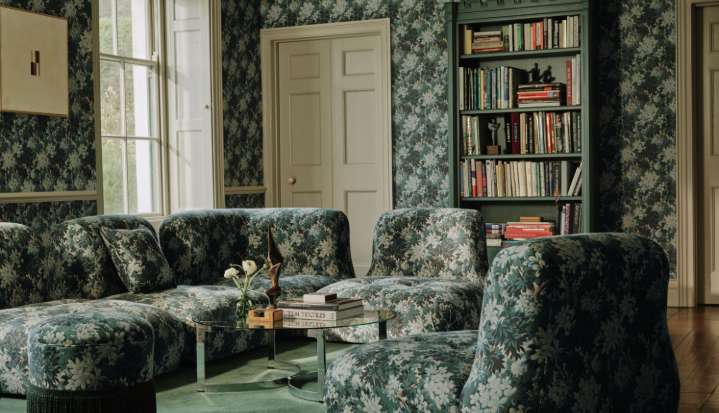
Patterns can add character to a small room, but too many competing patterns can make the space feel crowded.
Instead of using several bold patterns at once, choose one main pattern and combine it with simpler textures.
For example, a patterned cushion can work well with plain curtains and neutral furniture. A decorative wall can become a focal point while the rest of the room remains visually calm.
The key is balance.
Create a Strong Focal Point
A room can feel more organized when there is a clear visual center. This could be a piece of artwork, a stylish sofa, a feature wall, a beautiful light fixture, or a carefully arranged bookshelf.
Without a focal point, the eye may move between too many objects, making the room feel chaotic.
A strong focal point gives the design direction and helps other elements support the overall composition.
Think About Scale
Small rooms require careful attention to scale. Furniture that is too large can overwhelm the space, while furniture that is too small may make the room look incomplete.
Measure the room before buying major furniture. Consider walking paths, door openings, window placement, and the distance between important pieces.
A properly scaled sofa, table, bed, or cabinet can make a much greater difference than simply choosing the smallest available option.
Bring in Nature Without Overcrowding
Plants can make a small room feel fresh and welcoming, but large collections of plants may consume valuable floor space.
Instead, use a few carefully selected plants. Hanging planters, wall-mounted planters, narrow plant stands, and small shelves can introduce greenery without taking up much floor area.
Natural materials such as wood, woven textures, and stone-inspired finishes can also bring warmth to compact interiors.
Make Every Item Earn Its Place
The most useful mindset for small space design is to think carefully about every item.
Before adding furniture or decoration, ask whether it provides a useful function, emotional value, or meaningful visual contribution. If something does not serve a purpose and makes the room harder to use, it may not deserve the limited space available.
This approach helps create interiors that feel intentional rather than crowded.
A Bigger Feeling Without a Bigger Room
Making a small room feel larger is not about using one magical design trick. It is about combining several thoughtful decisions.
Light colors can brighten the environment. Mirrors can add visual depth. Multifunctional furniture can reduce clutter. Vertical storage can maximize unused wall space. Transparent materials can maintain sightlines, while layered lighting can make dark areas feel more open.
The most successful small space designs focus on balance. They provide enough furniture for comfort without filling every corner. They include decoration without creating visual noise. They use technology and modern design ideas while still maintaining warmth and personality.
A small room can be stylish, practical, and comfortable when every element is chosen with purpose. With the right approach, limited square footage does not have to feel limiting. Instead, it can become an opportunity to create a smart and creative interior where every detail works together to make the room feel more spacious.